


Japan in March
New Beginnings in Early Spring
As winter fades, Japan gradually transitions into spring. Plum blossoms continue to bloom across central and northern regions, while the colorful Hinamatsuri is celebrated nationwide on March 3. Toward the end of the month, cherry blossoms begin appearing in warmer areas like Tokyo, marking the true arrival of spring.
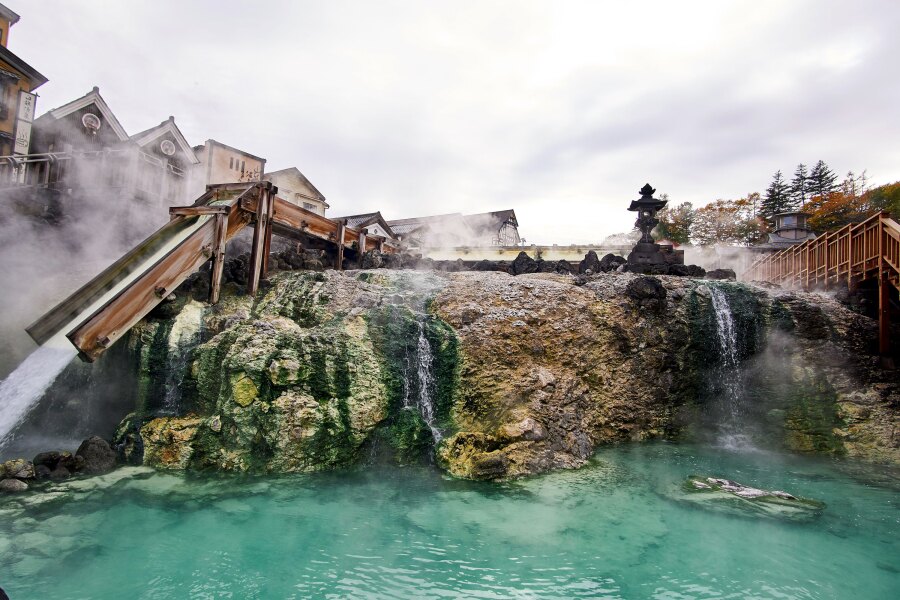
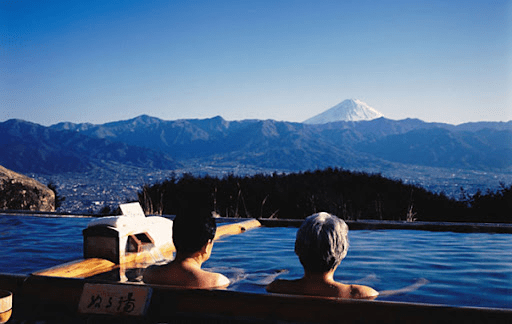
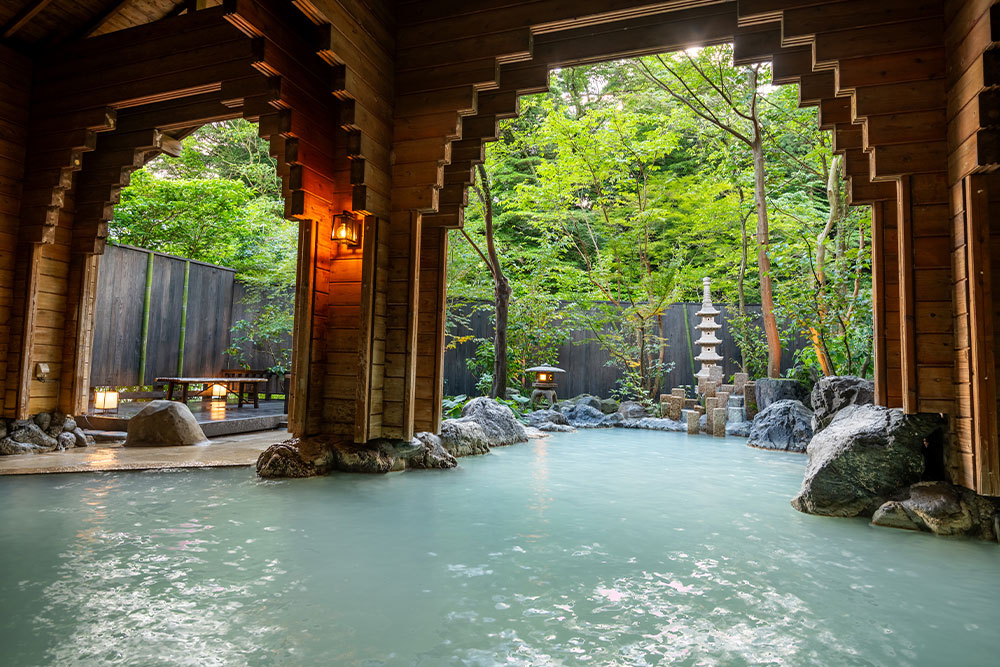
Although March is noticeably warmer than February, temperatures can still be unpredictable, with occasional cold spells. Winter activities such as skiing and snowboarding remain available, and hot spring visits continue to be a popular way to relax.

Know Before You Go
- Temperatures can fluctuate significantly, so layered clothing is essential.
- Skiing is still possible, though conditions become softer and more "spring-like."
- Popular destinations such as Kyoto, Nara, and Hiroshima can become crowded.
- Cherry blossom season begins in warmer regions and gradually spreads northward, lasting until around May.
Spring Snow
The ski season continues in many parts of Japan. Resorts such as Niseko and Shiga Kogen often remain open until early May.
Spring skiing offers milder weather and fewer crowds, though snow quality may decline. At higher altitudes, occasional snowfall is still possible, while rain becomes more common in lower areas.
Getting Out and About
With longer days and improving weather, March is ideal for travel and short trips. Popular destinations include Kyoto, Nara, and Hiroshima, as well as scenic countryside retreats.
Hot spring resorts remain a favorite choice. Gero Onsen is a well-known destination that can be combined with visits to Nagoya, Takayama, and Shirakawa-go.


The Traditions of Hinamatsuri
While Hinamatsuri is typically celebrated at home, visitors can experience public events at shrines and temples.
At Shimogamo Shrine, the Nagashibina ritual allows participants to set paper dolls afloat on a river. Other locations in Kyoto, such as Ichihime Shrine, feature traditional performances, while Hokyoji Temple displays historic doll collections.
Fire, Light, and Ritual
In Nara, the temple complex of Todai-ji hosts the dramatic Omizutori ceremony each March. Large flaming torches are carried across the temple stage, sending sparks into the night and creating a powerful visual display tied to purification and renewal.
Spring Sumo
Sumo fans can attend the March Grand Sumo Tournament held in Osaka. This major event runs for about two weeks and attracts large audiences, so advance booking is recommended.
Plum Blossoms: Early Signs of Spring
Plum blossoms bloom from February into March and are a symbol of early spring in Japan. Popular viewing spots include:
- Kairakuen Garden
- Bairin Park
These flowers appear before cherry blossoms and offer a quieter, less crowded viewing experience.
Cherry Blossom Season Approaches
By late March, cherry blossoms begin to bloom in warmer cities such as Tokyo. Cities like Kyoto, Osaka, Nagoya, and Fukuoka typically follow soon after.
Although the bloom period is short in each location, the season moves across the country from south to north, lasting several weeks overall and signaling the full arrival of spring.
Popular Festivals and Events (March in Japan)
Cultural and Traditional Festivals
- Shuni-e (Omizutori Festival) - A centuries-old ritual at Todai-ji featuring large flaming torches symbolizing purification.
- Wakasa Jinguji Omizu Okuri Festival - A sacred water ceremony linked spiritually to the Omizutori event in Nara.
- Omihachiman Sagicho Fire Festival - A vibrant celebration where decorated floats are burned in a dramatic fire ritual.
Sports Events
- Tokyo Marathon - A major international marathon attracting elite and amateur runners worldwide.
- March Grand Sumo Tournament - A two-week professional sumo competition held in Osaka.
Cherry Blossom Festivals and Viewing Spots
- Chikkoen Park Cherry Blossoms - A scenic park offering peaceful cherry blossom viewing.
- Hama-rikyu Gardens Cherry Blossoms - A historic garden blending traditional landscapes with seasonal blossoms.
- Seibu Park Cherry Blossoms - A local park known for its spring cherry blossom displays.
- Inaba Senbonzakura Cherry Blossoms - A famous road lined with hundreds of cherry trees.
- Sumida Park Cherry Blossom Festival - A riverside festival with views of blossoms along the Sumida River.
- Expo '70 Commemorative Park Cherry Blossom Festival - A large park hosting seasonal blossom celebrations.
- Nakameguro Cherry Blossoms - A popular spot where cherry trees line a picturesque canal.
- Shinjuku Gyoen Cherry Blossoms - A spacious garden featuring a wide variety of cherry trees.
- Bizan Park Cherry Blossoms - A hillside park offering panoramic views with blossoms.
- Sakura no Sato Park - A well-known location for early and diverse cherry blossoms.
- Mochio Park Cherry Blossom Festival - A lively event with thousands of blooming trees.
- Isshingyo Park Cherry Blossoms - Famous for its single, large and iconic cherry tree.
- Tateyama Park Cherry Blossoms - A coastal park combining sea views with cherry blossoms.
- Ogi Park Cherry Blossoms - A historic park known for dense cherry blossom clusters.
- Kumagaya Sakura Tsutsumi Cherry Blossoms - A long riverbank lined with cherry blossom trees.
- Matsukawa River Cherry Blossoms - A beautiful riverside lined with illuminated cherry blossoms.
- Ueno Cherry Blossom Festival - One of Tokyo's most famous and crowded blossom-viewing spots.
- Inokashira Park Cherry Blossoms - A relaxed park setting with blossoms around a central pond.
Food and Cultural Events
- Niigata Sake Fair - A regional event showcasing a wide variety of local sake for tasting.