


Private vs Public Onsen: Which Should You Choose?
Onsen bathing is one of Japan's most defining cultural experiences, combining natural geothermal hot springs with deeply rooted traditions of cleanliness, silence, and relaxation. For first-time visitors, the most important decision is whether to choose a public onsen or a private onsen. Both offer access to mineral-rich waters and scenic bathing environments, but they differ significantly in privacy, etiquette experience, and overall comfort level.
What Is a Public Onsen?
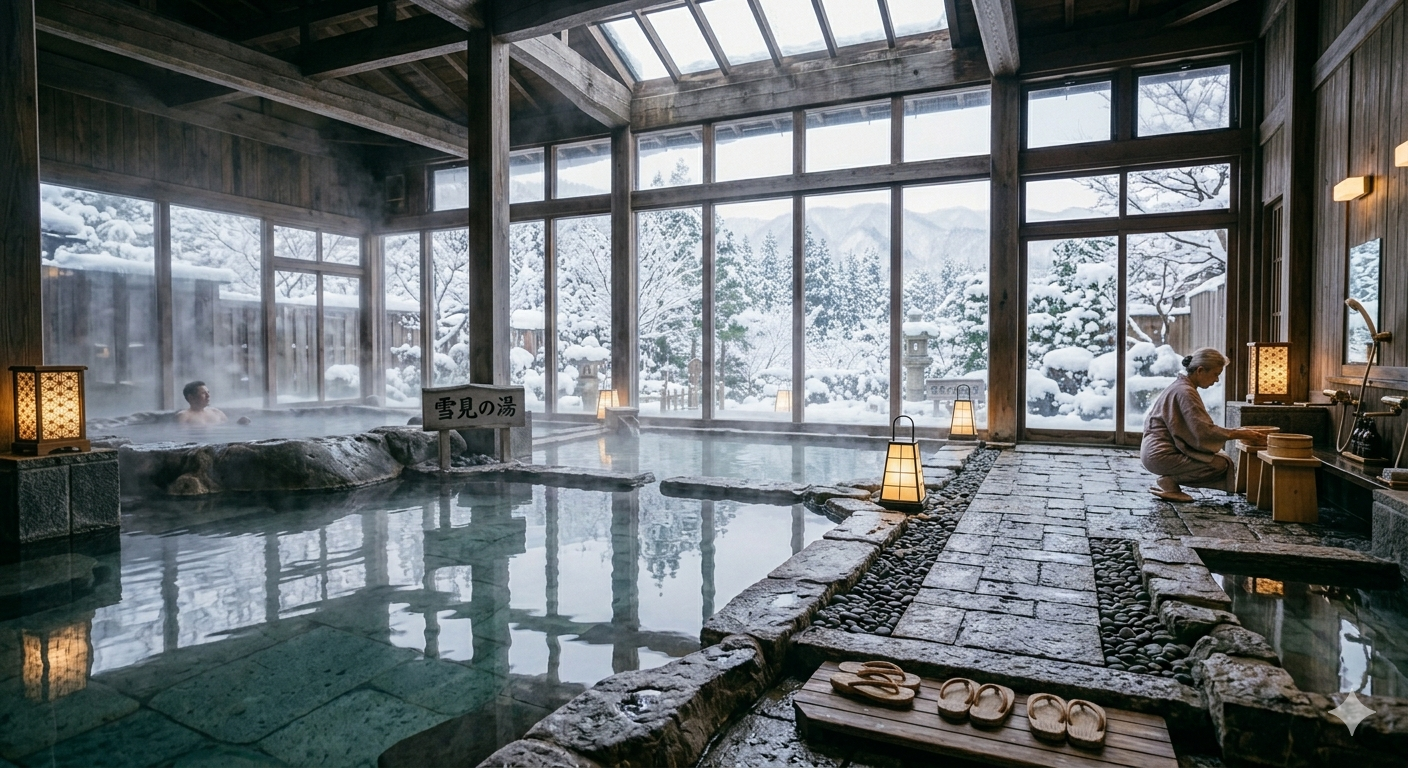
A public onsen is a shared bathing facility, typically separated by gender, where guests bathe together in communal hot spring pools. These are the most traditional and widely available type of onsen in Japan, commonly found in cities, rural towns, and especially ryokan stays.
Before entering the bath, guests are required to wash thoroughly at designated shower stations. This ensures hygiene and maintains the purity of the shared water, which is central to Japanese bathing culture.
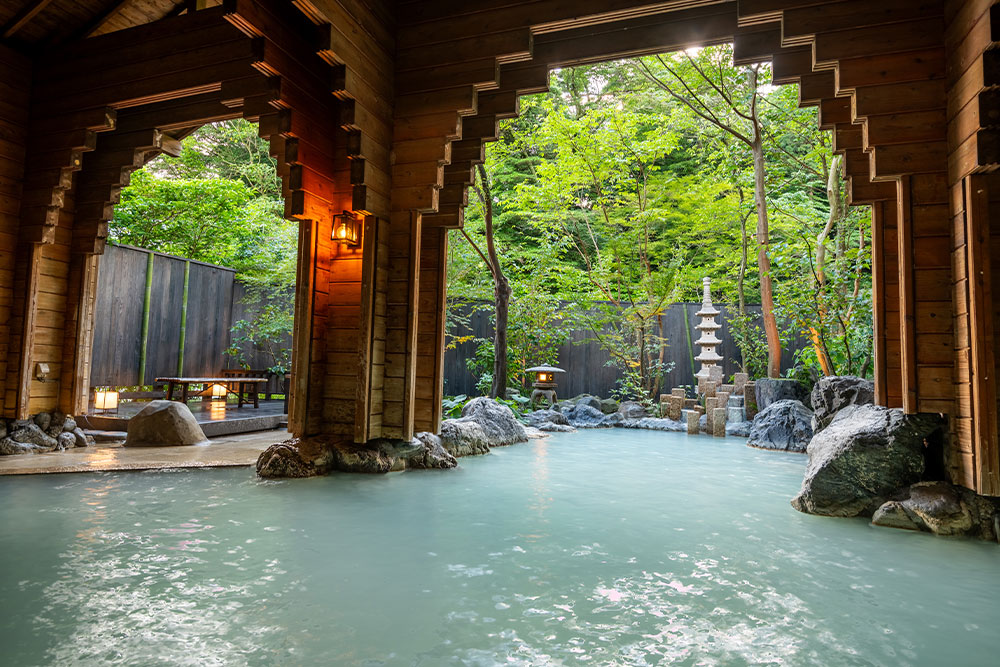
Public onsens are designed for quiet relaxation rather than social interaction. Talking is kept to a minimum, and the environment is intentionally peaceful and meditative.
What Is a Private Onsen?
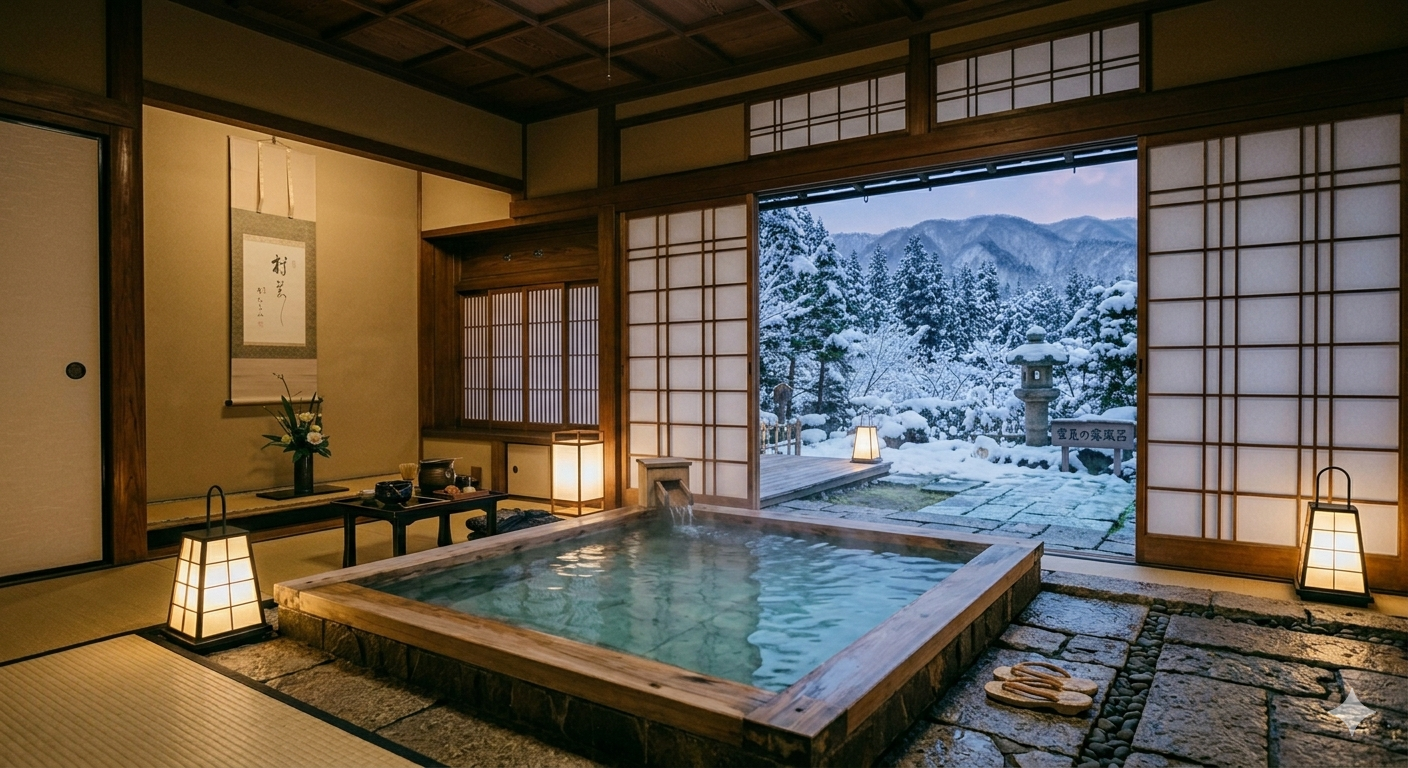
A private onsen, known as kashikiri onsen or rotemburo (private bath) depending on structure, is a bathing space reserved exclusively for one individual, couple, or family. These can be attached to ryokan rooms or booked as time-limited sessions.
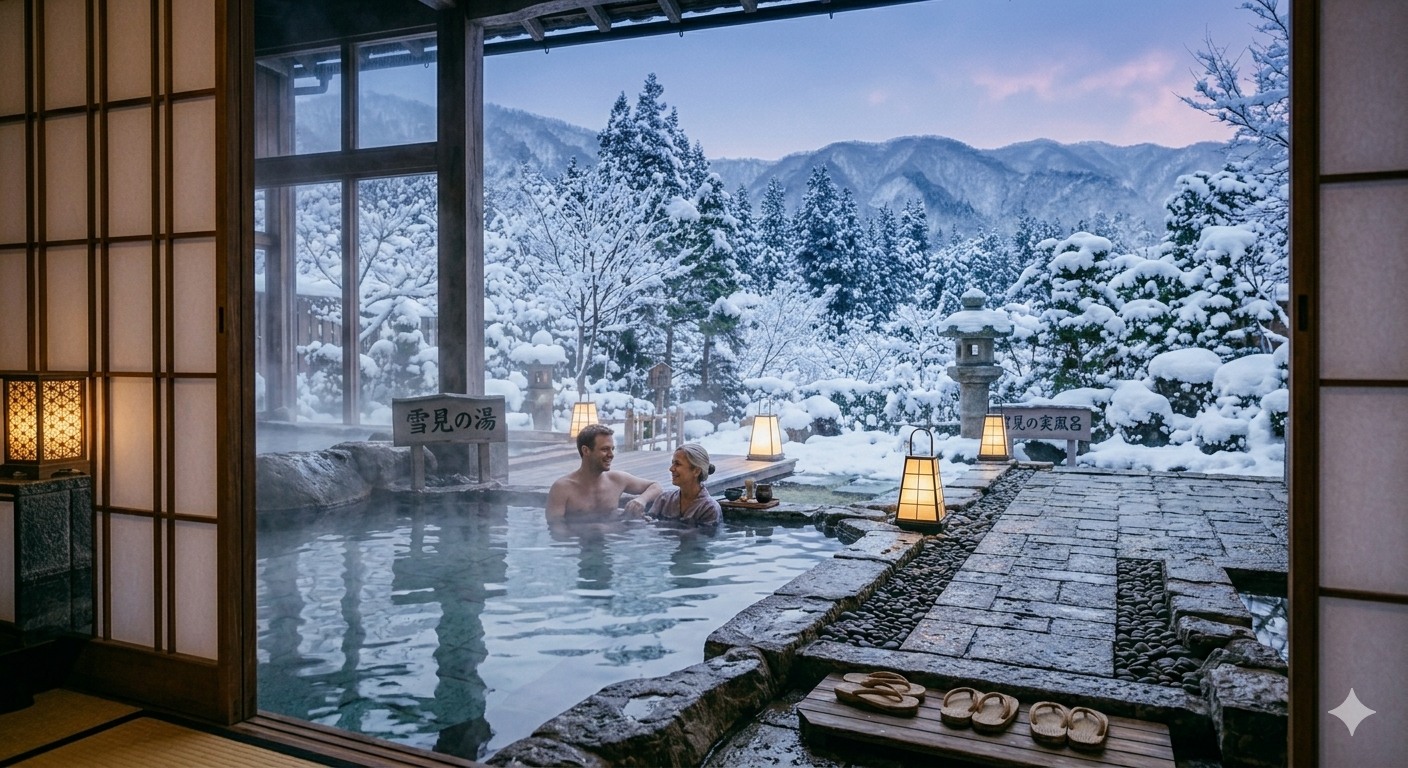
Private onsens allow full control over timing, privacy, and comfort. They are especially popular among travelers who prefer solitude, couples seeking a romantic experience, or visitors who are uncomfortable with communal bathing norms.
Atmosphere and Experience Difference
The core difference between public and private onsens lies in atmosphere and social setting.
Public onsens emphasize collective silence and shared cultural space. Even though you are bathing with strangers, the experience is not social in the conversational sense. Instead, it is reflective and deeply calming, where everyone follows unspoken etiquette rules that maintain harmony.
Private onsens, on the other hand, are centered around personal comfort and exclusivity. You can relax without concern for social norms, timing pressure, or shared space etiquette. This makes them more flexible and emotionally comfortable for many first-time visitors.
Etiquette Rules You Must Follow (Both Types)
Onsen culture in Japan follows strict etiquette that applies to both public and private settings:
- Wash and rinse your body thoroughly before entering the bath
- Do not wear swimwear inside the onsen
- Keep towels out of the water at all times
- Maintain quiet behavior and avoid unnecessary noise
- Tie long hair to keep the water clean
- Do not splash or disturb others
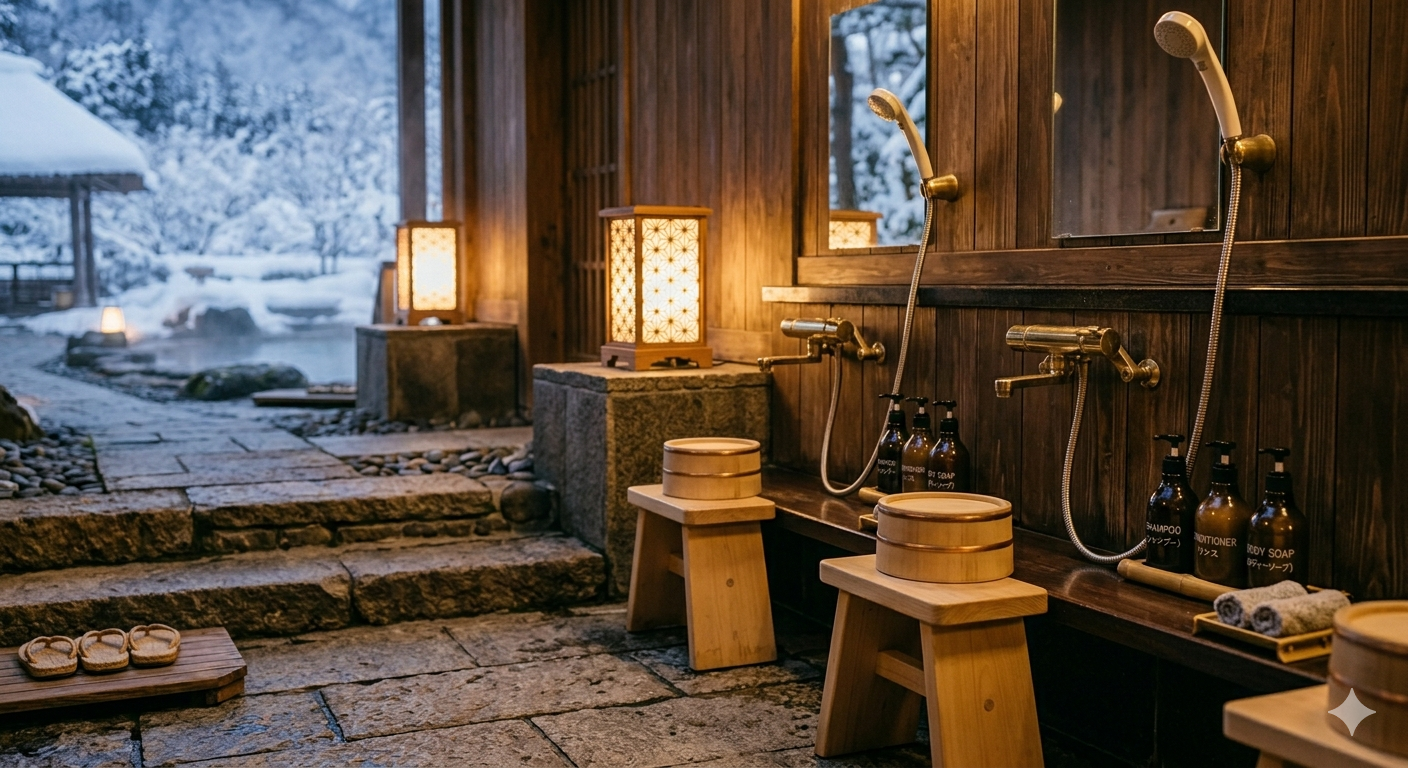
These rules are not optional; they are essential to preserving the shared cultural experience and hygiene standards.
Cost Comparison
Pricing varies depending on location, type, and facility quality.
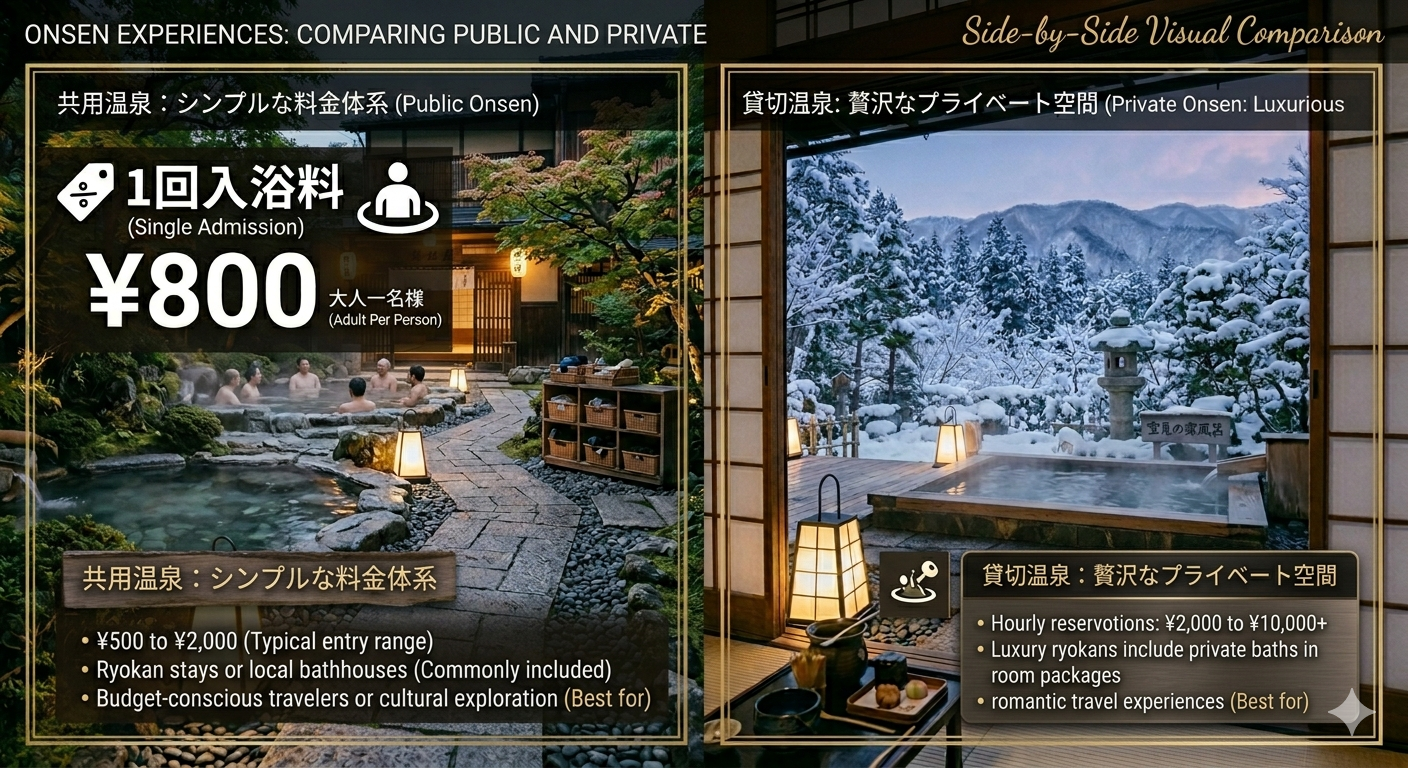
Public onsens are generally more affordable:
- Entry typically ranges from ¥500 to ¥2,000
- Often included in ryokan stays or local bathhouses
- Best for budget-conscious travelers or cultural exploration
Private onsens are more premium:
- Hourly reservations may range from ¥2,000 to ¥10,000+
- Luxury ryokans may include private baths in room packages
- Best for privacy-focused or romantic travel experiences
Who Should Choose a Public Onsen?
Public onsens are ideal if you:
- Want a traditional Japanese cultural immersion
- Are comfortable with communal bathing etiquette
- Prefer larger bath facilities with varied pools
- Are traveling on a budget
- Want to experience how locals actually use onsen
They offer the most authentic version of Japanese bathing culture.
Who Should Choose a Private Onsen?
Private onsens are better suited for travelers who:
- Prefer privacy and personal space
- Are visiting Japan as a couple or family
- Feel uncomfortable with communal nudity norms
- Have tattoos that may restrict access in public onsens
- Want a luxury or relaxation-focused experience
They remove social pressure while still offering the same natural hot spring benefits.
Neither option is superior; the right choice depends entirely on travel style and comfort level. Public onsens deliver cultural authenticity and shared tradition, while private onsens offer comfort, exclusivity, and flexibility.
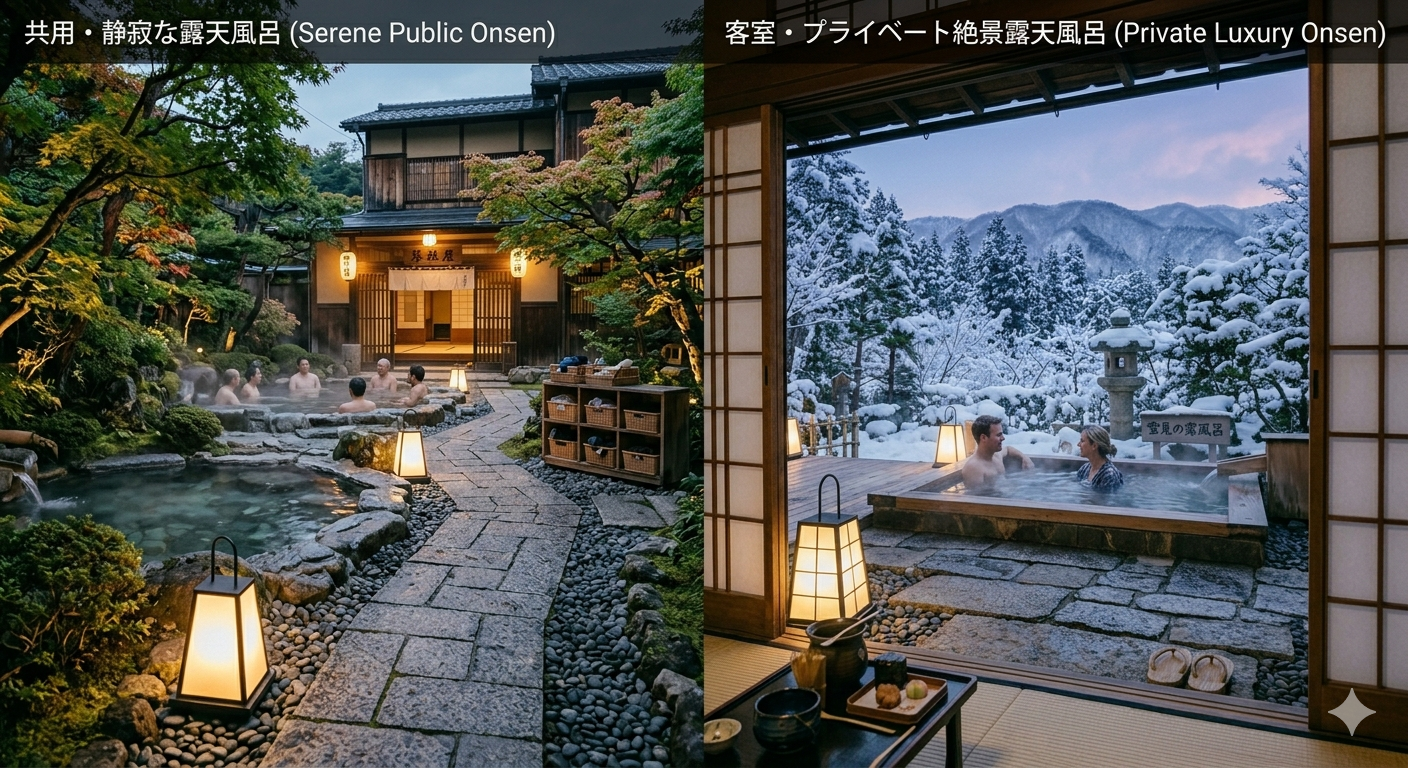
Many travelers choose to experience both during their trip to Japan — public onsens for cultural immersion and private onsens for relaxation and personal comfort balance.