Ryokan Experience: What to Expect in Japan's Traditional Inns
A ryokan is one of the most authentic ways to experience Japan beyond its cities, trains, and modern hotels. These traditional inns are designed around simplicity, hospitality, and seasonal aesthetics. Staying in a ryokan is not just accommodation, it is a structured cultural experience shaped by centuries of Japanese omotenashi (wholehearted hospitality). For many first-time visitors, it can feel unfamiliar at first, but once you understand how it works, it becomes one of the most memorable parts of a trip to Japan.
What Exactly Is a Ryokan?
A ryokan is a traditional Japanese inn that typically features tatami-mat rooms, sliding paper doors (shoji), futon bedding, and communal or private bathing facilities. Unlike Western hotels that prioritize standardized rooms and services, ryokans are experience-driven.
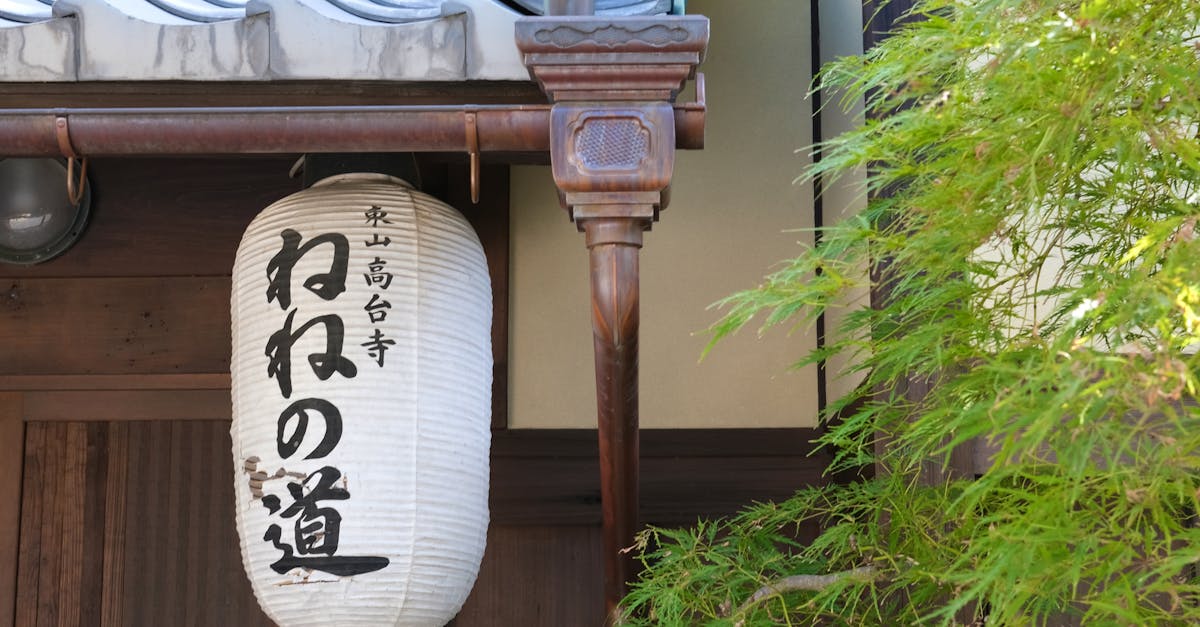
Most ryokans are located in scenic areas such as hot spring towns (onsen resorts), mountains, or historic districts. Some are centuries old and run by the same family across generations, which adds to their cultural depth.
The key difference you'll notice immediately is the pace: ryokans encourage you to slow down, follow rituals, and immerse yourself in Japanese hospitality rather than rush through a stay.
Arrival and Check-In: A Gentle Welcome
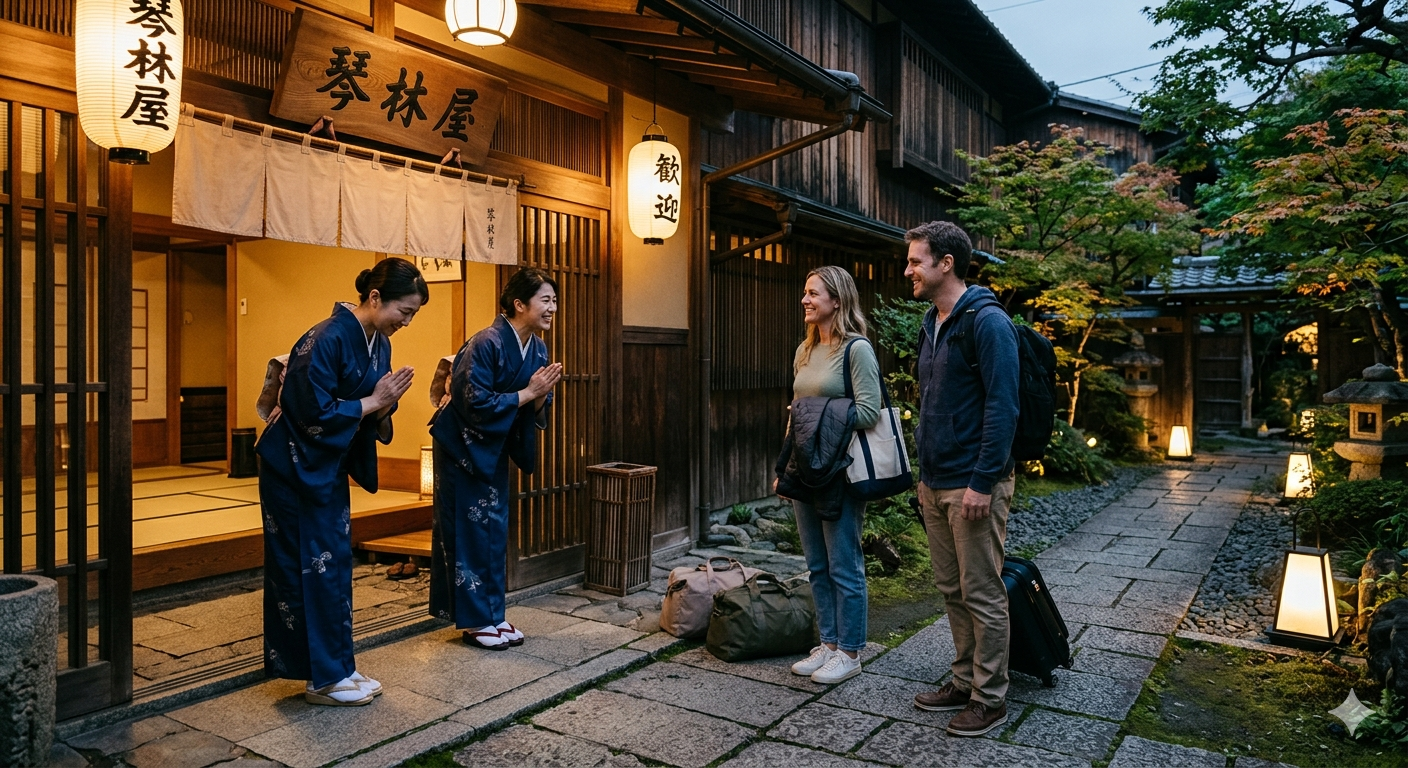
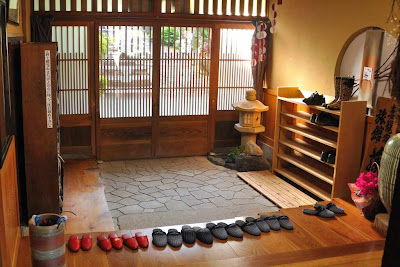
Check-in at a ryokan is noticeably different from a hotel. From the moment you arrive, staff usually greet you at the entrance, sometimes with a bow, and guide you inside. You may be asked to remove your shoes immediately, which are stored in designated areas.
Instead of a formal counter check-in, you might be seated in a lounge where you are served green tea and a small seasonal sweet while your paperwork is completed. This sets the tone: calm, personal, and unhurried.
Staff often escort you to your room and explain key details such as meal times, onsen rules, and futon arrangements.
Traditional Rooms: Minimalism with Meaning
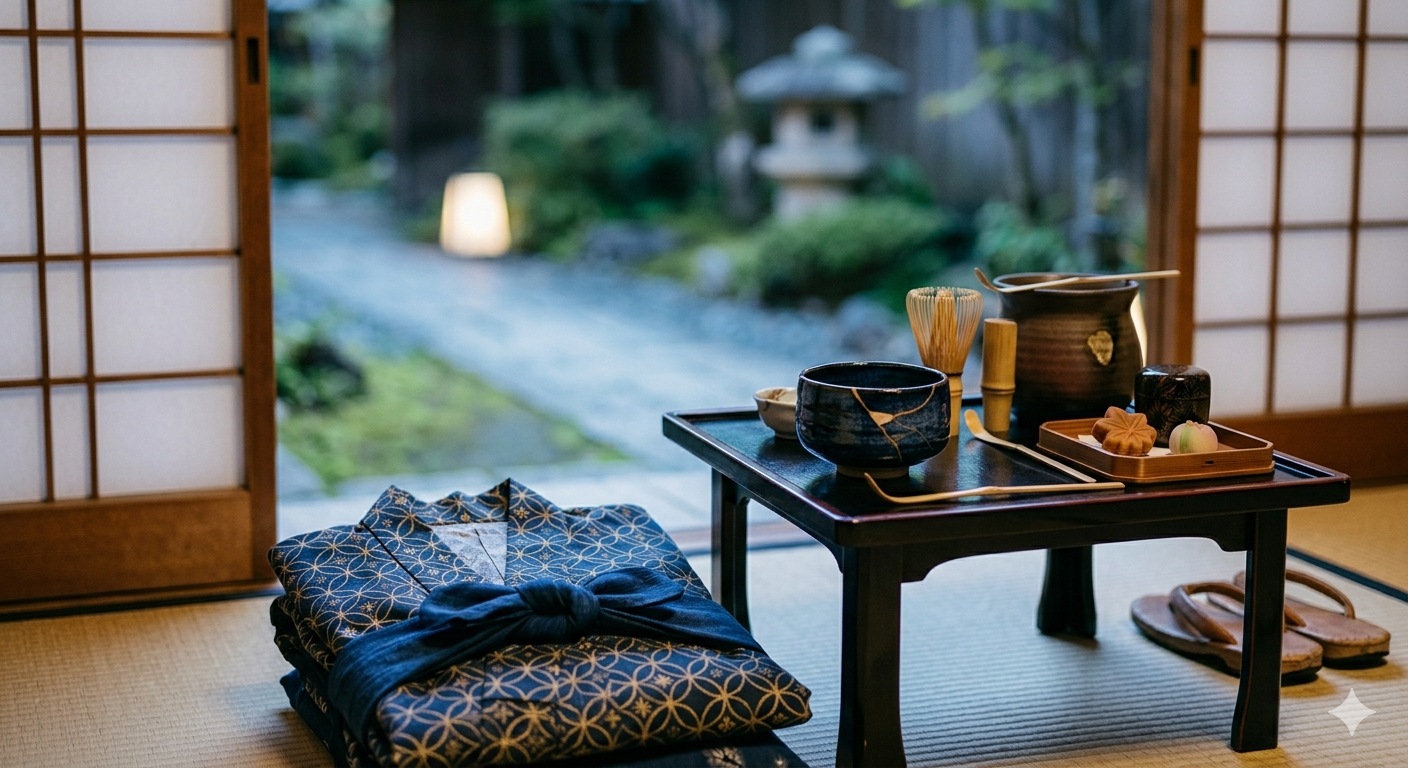
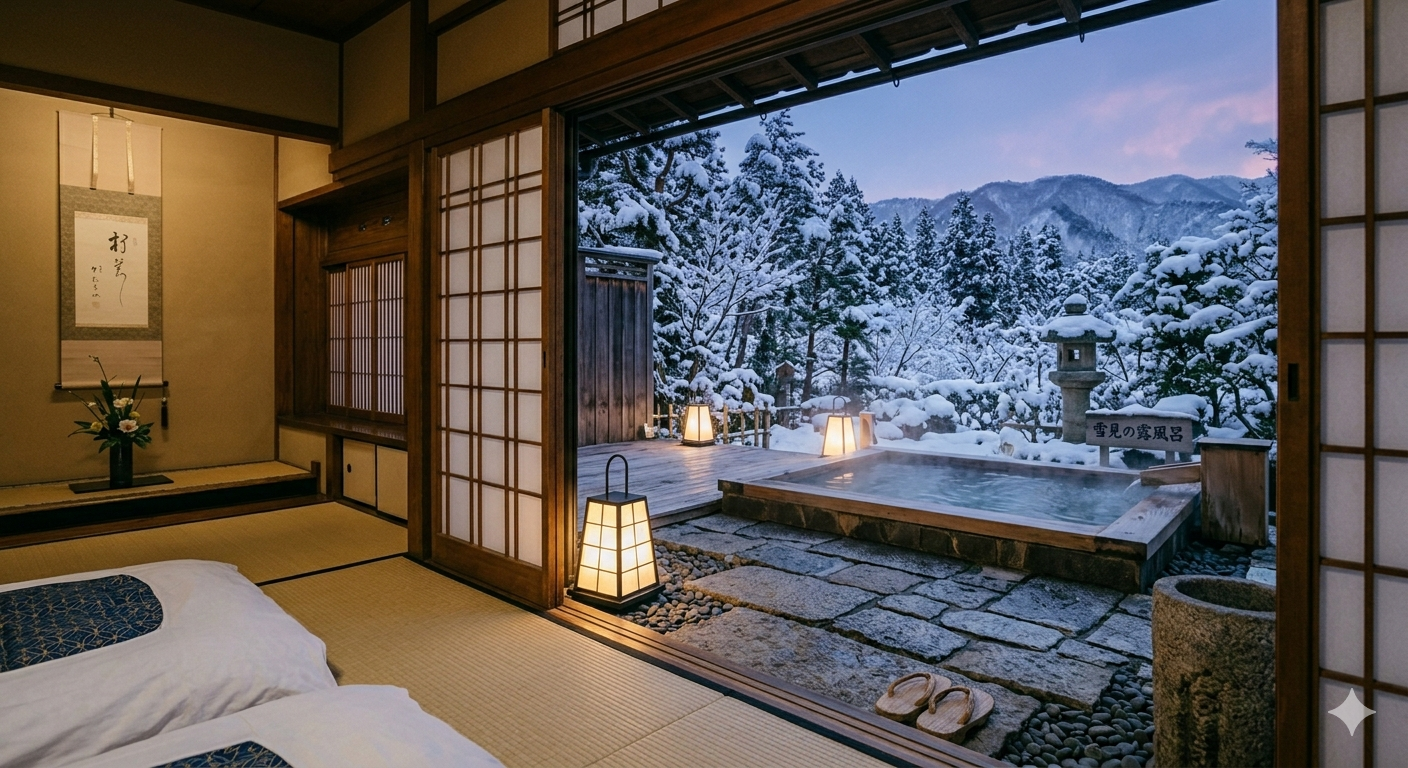
Ryokan rooms are intentionally minimal. Expect tatami flooring made from woven straw, low wooden tables, floor cushions, and large windows that often open to gardens, rivers, or mountains.
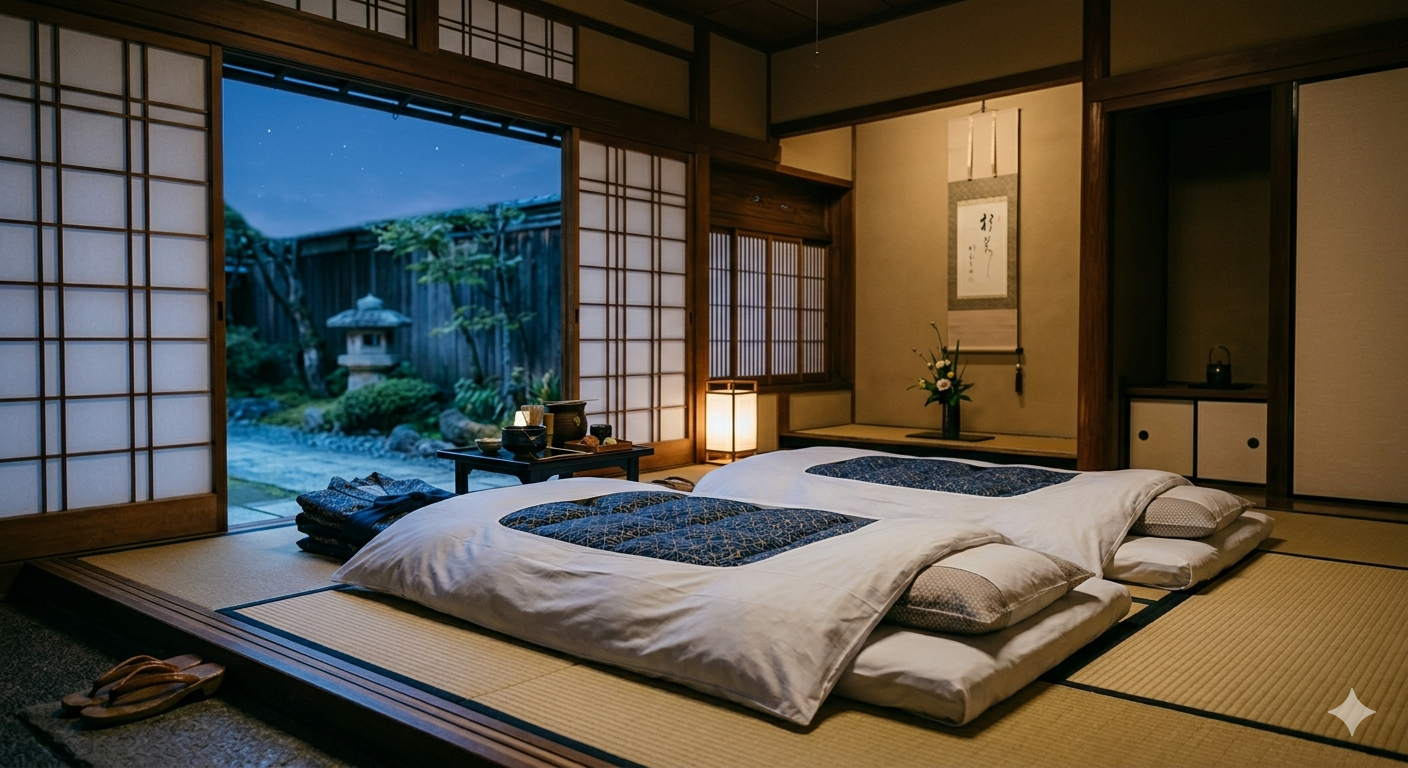
There are no bulky beds. Instead, you sleep on futons that are laid out on the tatami floor in the evening by staff. During the day, the futons are stored away to transform the room into a living space.
You will also find:
- Yukata (light cotton kimono) provided for guests
- A small tea set with green tea
- Sliding doors instead of solid walls
- Occasionally, a private washroom or shared bathing facilities
The design is not about luxury in a Western sense but about harmony, space, and seasonal connection.
The Yukata Experience
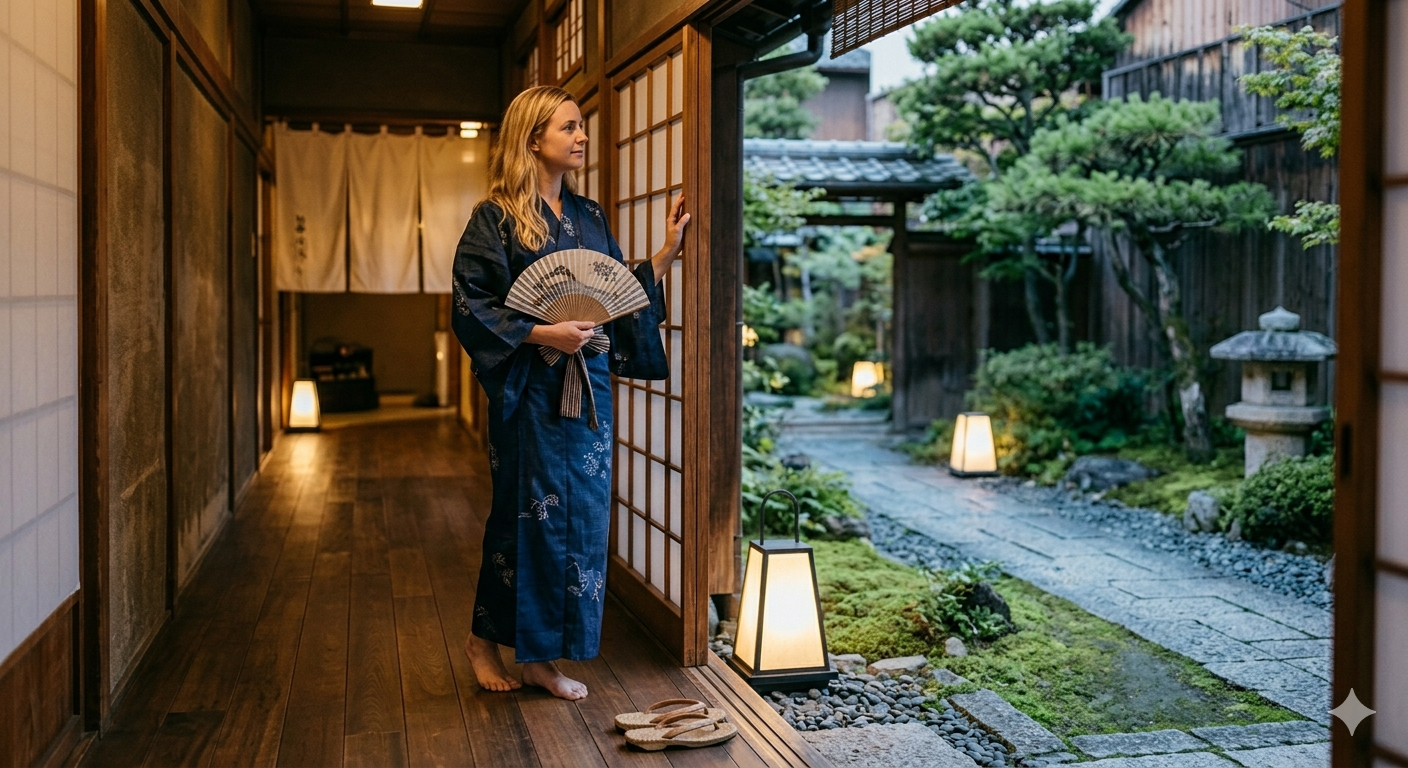
One of the most enjoyable parts of staying in a ryokan is wearing a yukata. This is a casual kimono-style robe that you can wear throughout the inn, including during meals and walking to the onsen.
There are a few unwritten rules:
- Left side always wraps over the right (reverse is used for funerals)
- Wear it loosely and comfortably
- Pair it with slippers provided by the ryokan
Many guests wear yukata during evening strolls around onsen towns, which adds to the atmosphere of traditional Japan.
Onsen Bathing: The Heart of Ryokan Culture
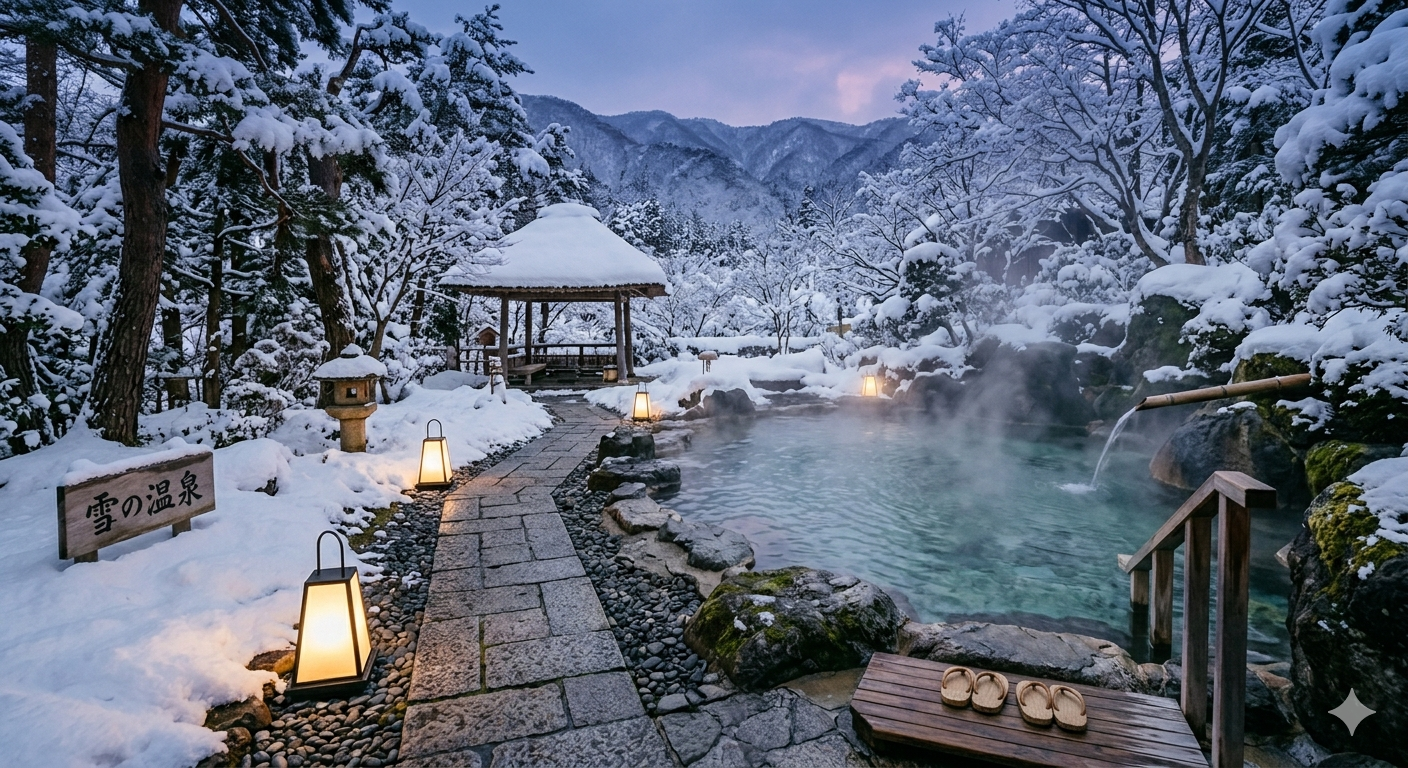
Many ryokans include access to an onsen (hot spring bath), which is often the highlight of the stay. These baths are fed by natural geothermal waters and are known for their mineral-rich, therapeutic properties.
However, onsen bathing follows strict etiquette:
- Wash your body thoroughly before entering the bath
- Do not wear swimwear
- Enter the bath quietly and respectfully
- Towels should not be dipped in the water
- Tattoos may be restricted in some places (varies by ryokan)
Bathing is typically gender-separated, though some ryokans offer private family baths that can be reserved.
The experience is deeply relaxing, soaking in warm mineral water while surrounded by nature is often described as one of Japan's most peaceful traditions.
Kaiseki Dining: A Seasonal Culinary Journey
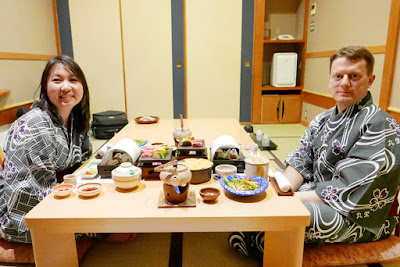
Dinner at a ryokan is usually a kaiseki meal, a multi-course dining experience that showcases seasonal ingredients and precise presentation.
A typical kaiseki dinner may include:
- Appetizers (small seasonal dishes)
- Sashimi (fresh raw fish)
- Grilled fish or meat
- Simmered vegetables
- Rice, miso soup, and pickles
- Dessert featuring seasonal fruits or wagashi sweets
Meals are often served in your room or in a private dining space. Breakfast is also traditional, usually including rice, grilled fish, miso soup, eggs, and pickled vegetables.
Dining is not rushed; each dish is served in sequence, encouraging you to appreciate flavor, texture, and presentation.
Sleeping on Futons: Simple but Comfortable
At night, staff typically prepare your futon while you are at dinner or relaxing in the onsen. Futons are laid directly on tatami mats with bedding that is surprisingly comfortable and supportive.
While it may feel unusual at first, many travelers find they sleep deeply due to the quiet environment, natural surroundings, and relaxed rhythm of the stay.
In the morning, futons are folded and stored again, returning the room to its daytime layout.
Etiquette You Should Know
Ryokans follow subtle but important etiquette rules:
- Always remove shoes before entering indoor areas
- Keep noise levels low, especially in hallways
- Be punctual for meals (they are often served at fixed times)
- Respect bathing rules in onsen areas
- Do not tip staff (it is not customary in Japan)
These rules are not meant to restrict you but to preserve the calm, shared environment that defines ryokan culture.
How Much Does a Ryokan Stay Cost?
Ryokans vary widely in price:
- Budget ryokans: $80–$150 per night (simple facilities, shared baths)
- Mid-range ryokans: $150–$400 per night (private rooms, kaiseki meals included)
- Luxury ryokans: $400–$1000+ per night (private onsen, premium dining, scenic locations)
Most ryokans include breakfast and dinner in the price, which adds significant value considering the quality and experience.
Booking Tips for First-Time Visitors
If you are planning your first ryokan stay, keep these tips in mind:
- Book early, especially during cherry blossom and autumn seasons
- Check whether meals are included in your reservation
- Confirm onsen accessibility if you have tattoos or mobility concerns
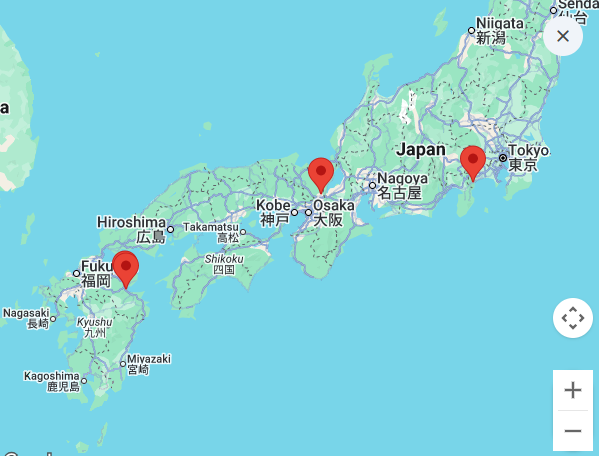
- Choose a location that fits your itinerary (Hakone, Kyoto, Nikko, Beppu are popular choices)
- Stay at least one night to fully experience the rhythm of ryokan life
A ryokan stay is not simply accommodation, it is a cultural immersion into Japanese tradition, hospitality, and mindfulness. From the quiet welcome and tatami rooms to kaiseki dining and onsen bathing, every detail is designed to slow you down and reconnect you with simplicity. For travelers exploring Japan's relaxation culture, a ryokan is often the most authentic and restorative experience available.