


Okinawa Travel Guide (Japan's Tropical Escape & Island Culture)
Okinawa is unlike anywhere else in Japan. Located far south of the mainland, Okinawa offers a completely different atmosphere, tropical beaches, turquoise waters, and a unique Ryukyu heritage that feels closer to Southeast Asia than Tokyo or Kyoto.
This destination is not about temples or neon cities. It's about slow island living, ocean experiences, and cultural distinction.
Okinawa's Beach Culture: Japan's Coastal Paradise
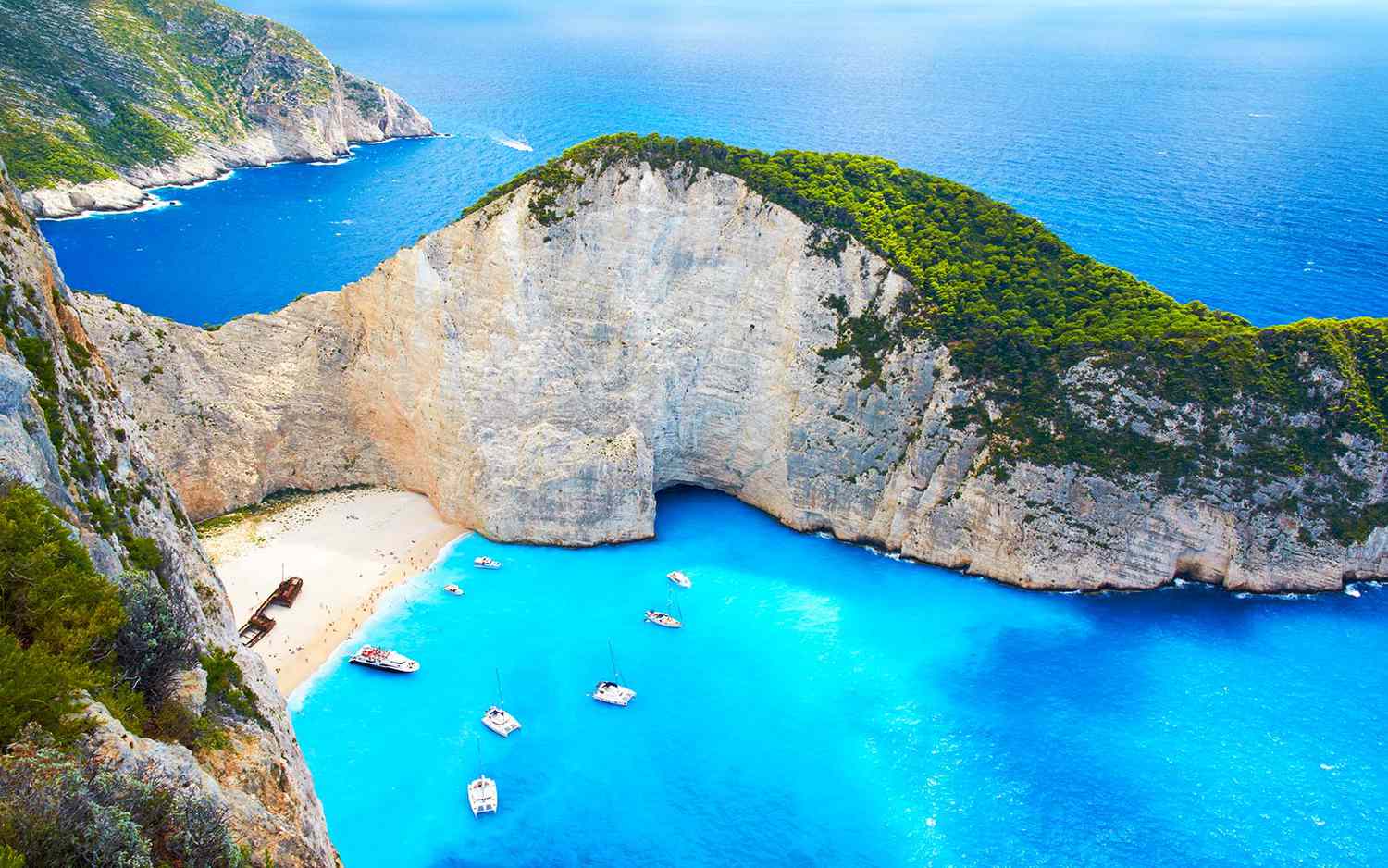
Okinawa is home to some of Japan's most beautiful beaches, with soft white sand and incredibly clear water.
Top beach experiences include:
- Snorkeling over coral reefs
- Swimming in warm, calm waters
- Sunset views along the coastline
Popular beaches include:
- Emerald Beach
- Manza Beach
Unlike mainland Japan, where beaches are seasonal, Okinawa offers a long beach season from spring to autumn, making it a perfect warm-weather escape.
Island Hopping: Exploring Beyond the Main Island
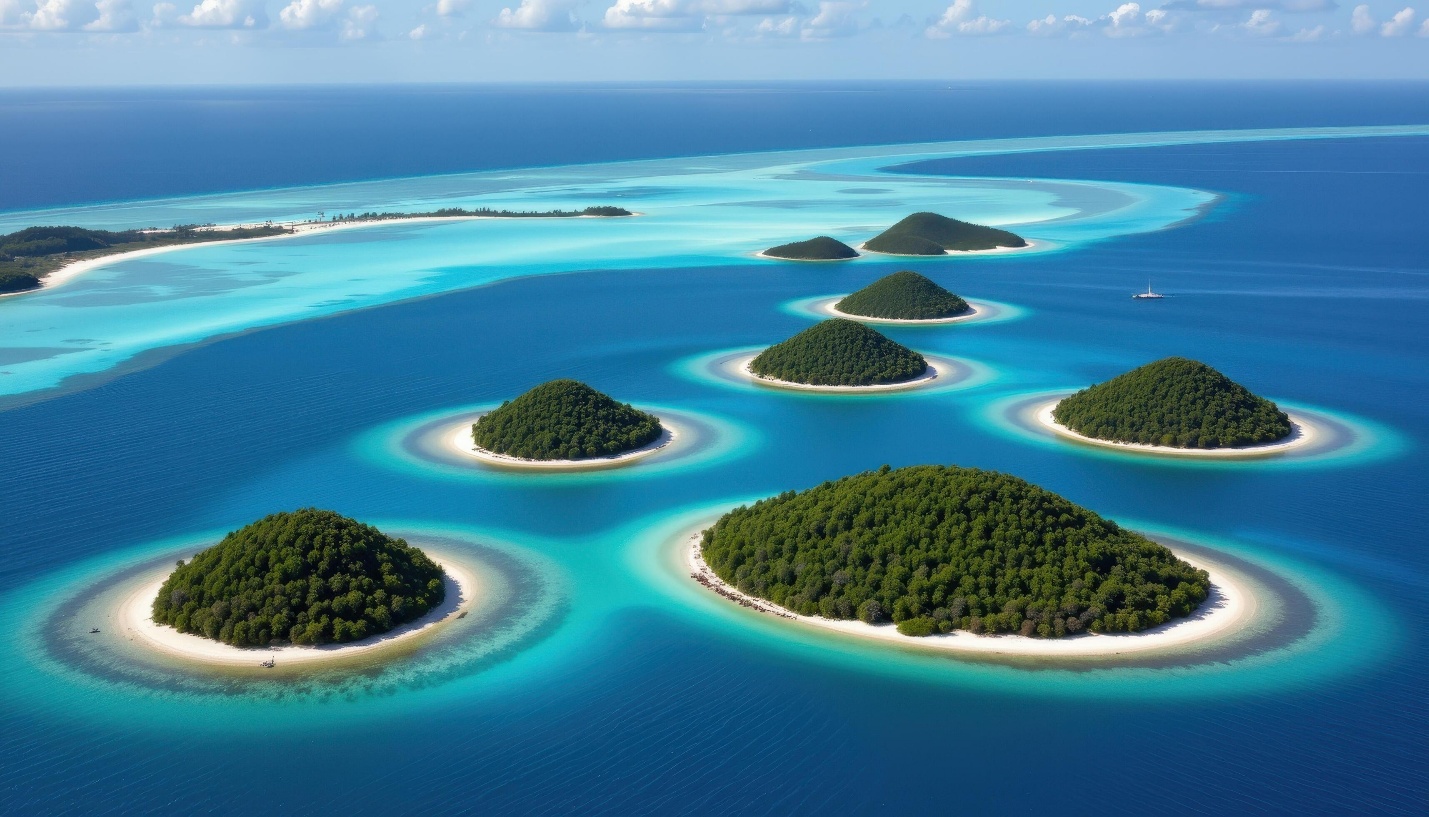
Okinawa is not just one island, it's a chain of islands, each offering its own experience.
Must-visit island groups:
- Kerama Islands – known for crystal-clear waters and diving
- Ishigaki Island – tropical landscapes and relaxed vibe
- Miyako Island – famous for some of Japan's best beaches
Island hopping allows travelers to experience:
- More secluded beaches
- Rich marine biodiversity
- A slower, untouched island atmosphere
Ryukyu History: A Culture Distinct from Japan
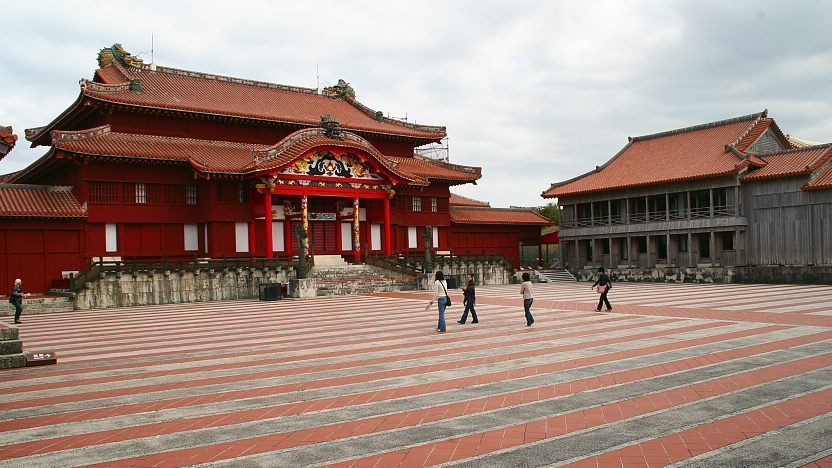
Before becoming part of Japan, Okinawa was the center of the Ryukyu Kingdom, a powerful maritime state with strong trade links across Asia.
The cultural identity here is still visible today.
Key historical site:
- Shuri Castle
What makes Okinawa culturally unique:
- Distinct architecture (red-tiled roofs, stone walls)
- Traditional music and dance
- A blended influence of Chinese, Southeast Asian, and Japanese cultures
This gives Okinawa a layered identity that contrasts sharply with mainland Japan.
Naha: The Gateway to Okinawa
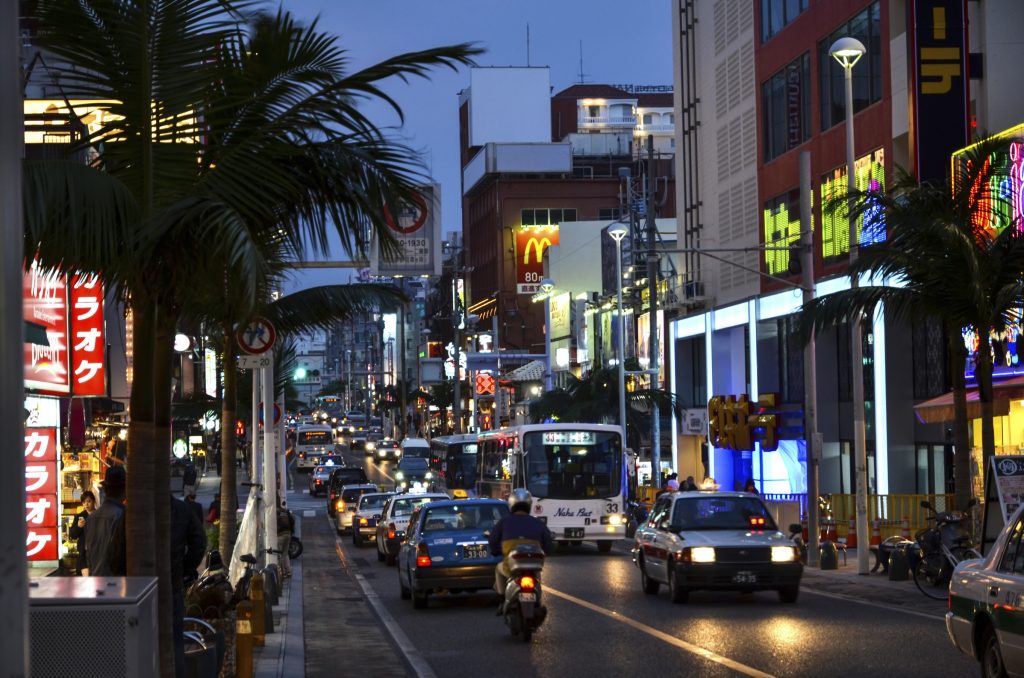
Naha is the capital city and main entry point into Okinawa.
Highlights include:
- Kokusai Street (shopping & food hub)
- Local markets and street food
- Access to historical landmarks like Shuri Castle
Naha blends:
- Modern convenience
- Cultural heritage
- Coastal charm
Most travelers spend a short time here before heading to beaches or outer islands.
Okinawan Food Culture: Light, Fresh & Unique
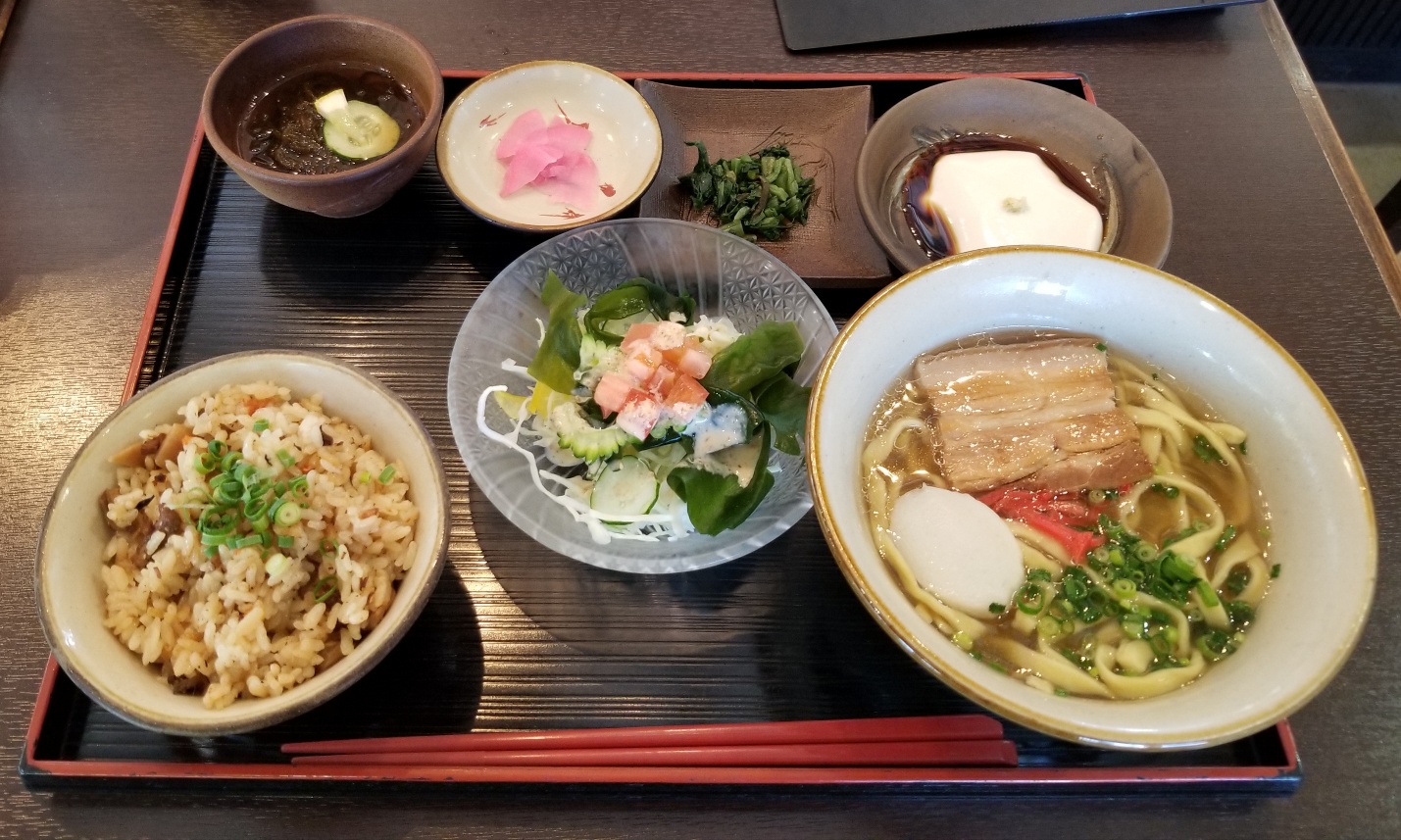
Okinawan cuisine is distinct from mainland Japanese food and is known for being light, healthy, and longevity-focused.
Must-try dishes:
- Okinawa soba (different from mainland soba)
- Fresh seafood
- Goya champuru (stir-fried bitter melon dish)
The food reflects:
- Island resources
- Chinese and Southeast Asian influence
- A focus on balance and health
Best Time to Visit Okinawa
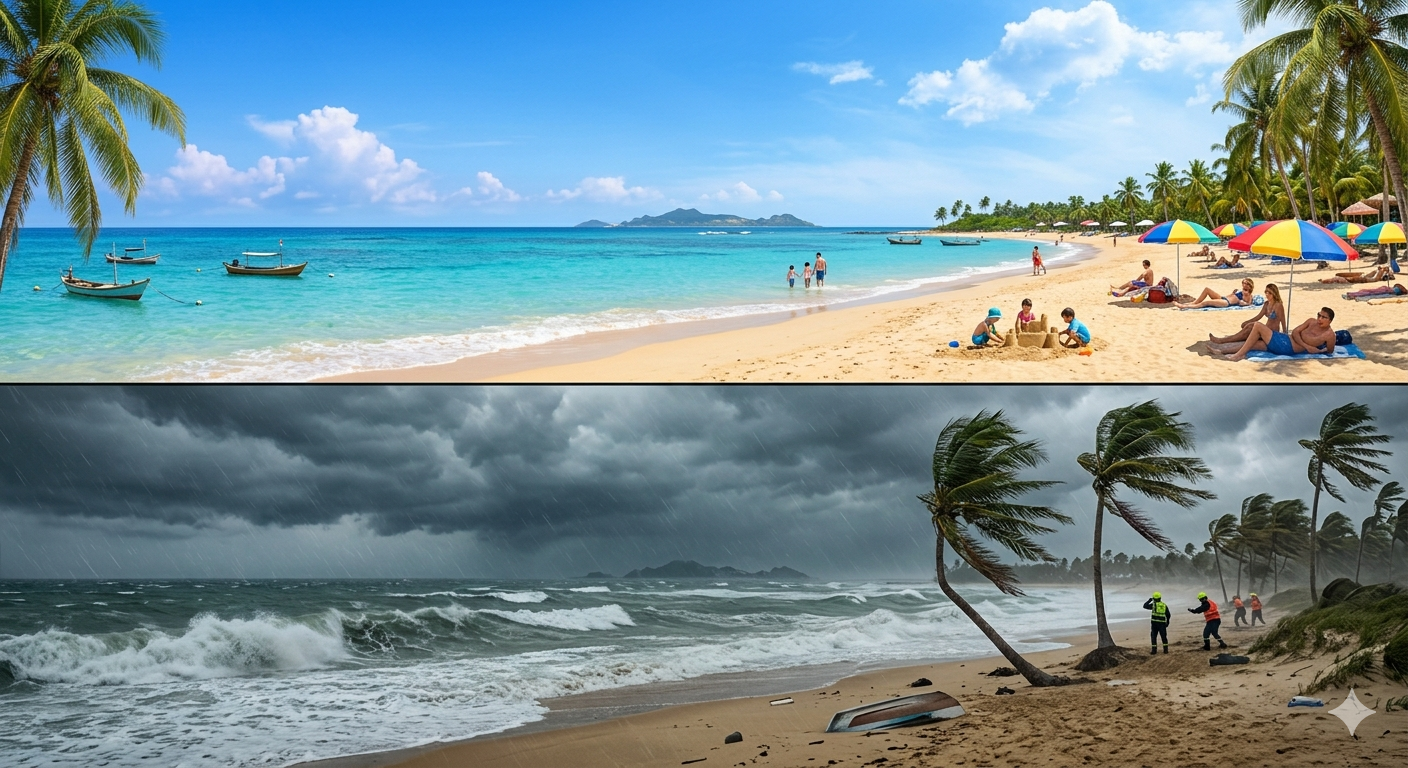
Okinawa is best visited during warm months, but timing matters:
-
Spring (March – May)
- Pleasant weather
- Fewer crowds
- Ideal for early beach visits
-
Summer (June – August)
- Peak beach season
- Best for snorkeling & diving
- Hot and humid
-
Autumn (September – October)
- Warm water
- Fewer tourists
- Occasional typhoons
-
Winter (November – February)
- Mild temperatures
- Not ideal for swimming
- Good for cultural exploration
How to Get There & Travel Around
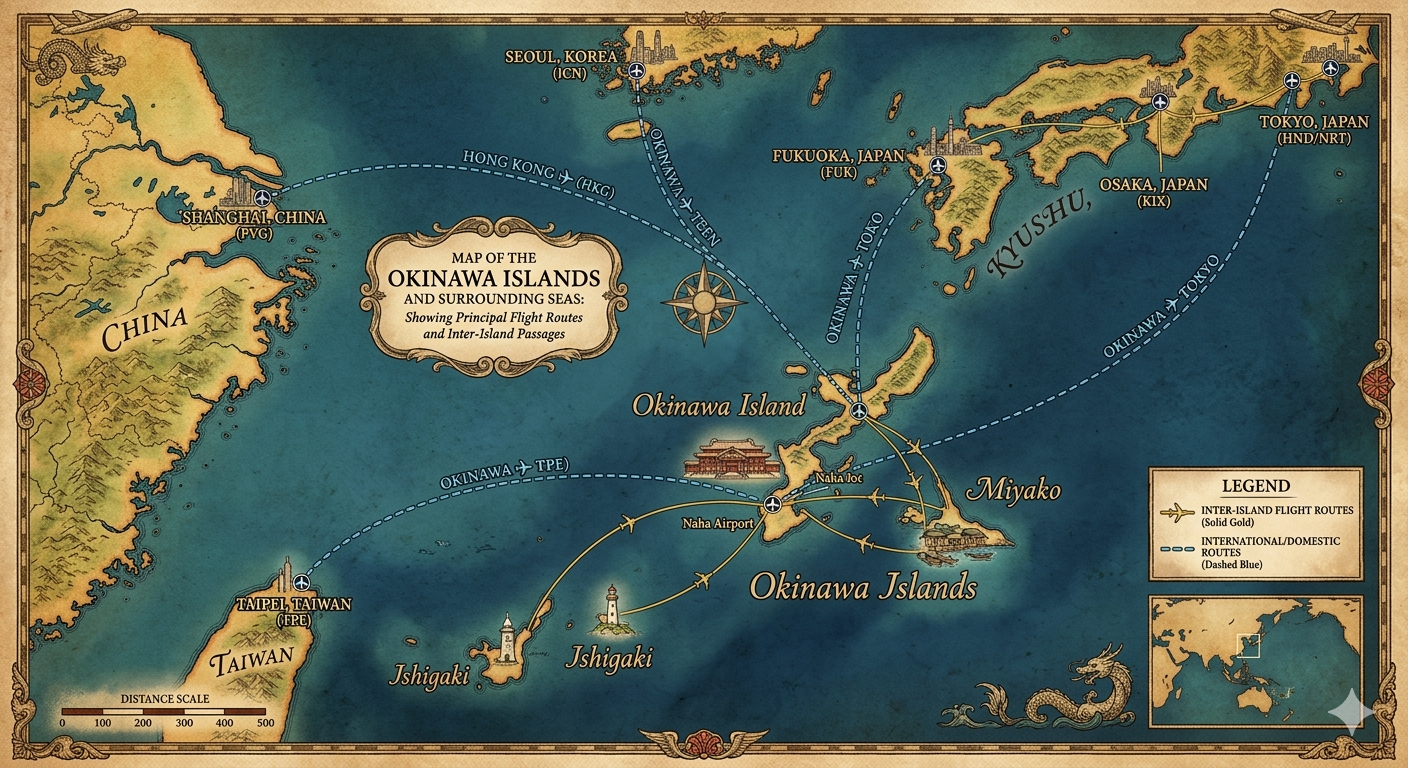
- Flights from Tokyo/Osaka → Naha (~2.5–3 hours)
- Ferries for island hopping
- Car rental recommended for exploring the main island
Public transport exists but is limited outside Naha, so planning ahead is essential.
Emotional Travel Narrative
Okinawa doesn't feel like an extension of Japan, it feels like a parallel world.
Where Tokyo is fast and Kyoto is traditional, Okinawa is:
- Relaxed
- Sun-soaked
- Deeply rooted in a different cultural past
The rhythm here is slower:
- Waves replace train sounds
- Sunsets replace city lights
- Ocean air replaces crowded streets
It's the kind of destination where travelers don't just visit, they unwind completely.