


Hokkaido Travel Guide (Japan's Wild North: Snow, Nature & Seasonal Beauty)
Hokkaido is Japan's northernmost island and a completely different experience from cities like Tokyo or Kyoto. Known for its vast landscapes, powder snow, flower fields, and national parks, Hokkaido represents the nature-driven pillar of your Japan content strategy.
This destination is less about temples and more about open space, seasonal extremes, and outdoor experiences.
Sapporo: The Urban Gateway to Hokkaido
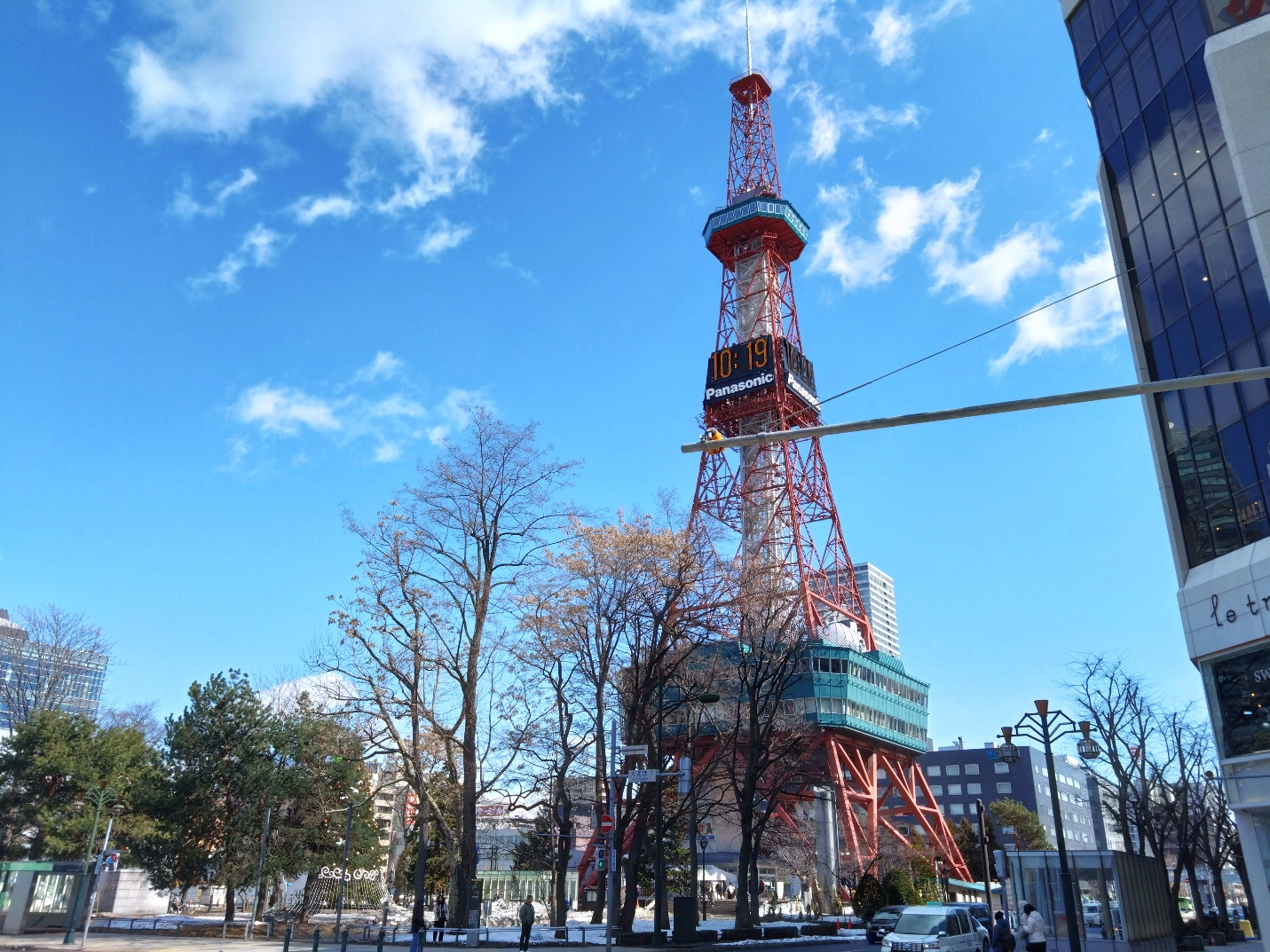
Sapporo is the capital of Hokkaido and the main entry point for travelers. Unlike Tokyo's intensity, Sapporo feels spacious, clean, and relaxed, with wide boulevards and a grid-like layout.
The city is especially famous for:
- The Sapporo Snow Festival (winter)
- Odori Park (central green strip through the city)
- Vibrant nightlife in Susukino
- Hokkaido's rich food culture (especially seafood and ramen)
Sapporo serves as the base hub before heading into ski resorts or countryside landscapes.

Niseko: World-Class Powder Snow & Ski Resorts
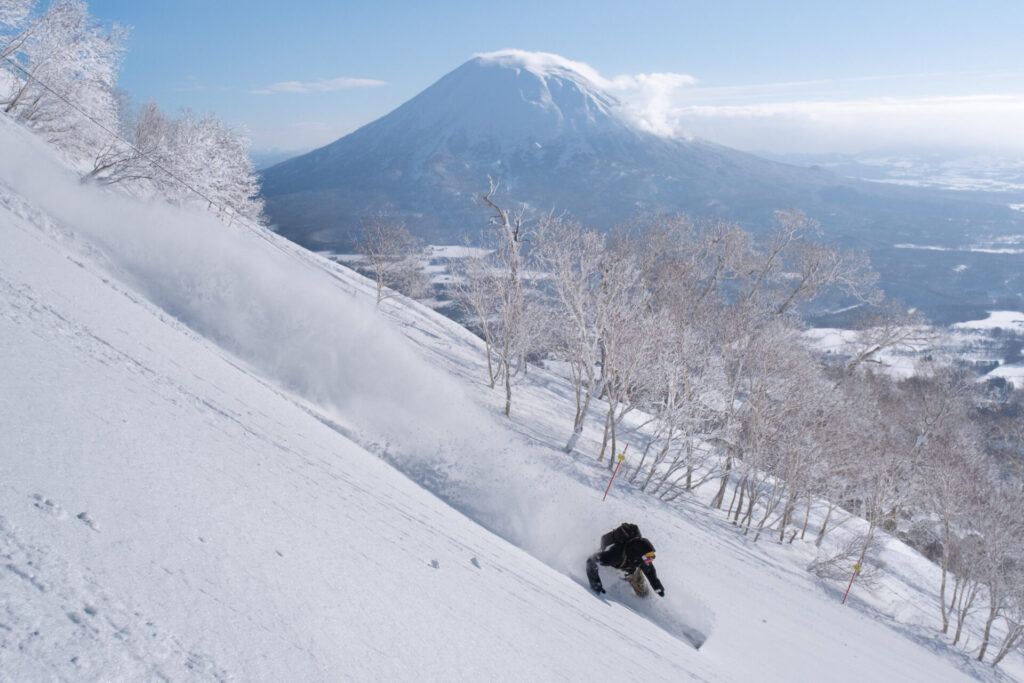
Niseko is internationally recognized as one of the best ski destinations in the world, especially for its light, dry powder snow.
Why Niseko stands out:
- Consistent heavy snowfall (among the best globally)
- Ski-in/ski-out resorts
- Strong international infrastructure (English-friendly)
- Views of Mount Yotei (often called "Mount Fuji of Hokkaido")
Even non-skiers visit Niseko for:
- Snow landscapes
- Onsen (hot springs)
- Winter atmosphere
This is the winter highlight of Hokkaido.
Furano: Lavender Fields & Summer Landscapes
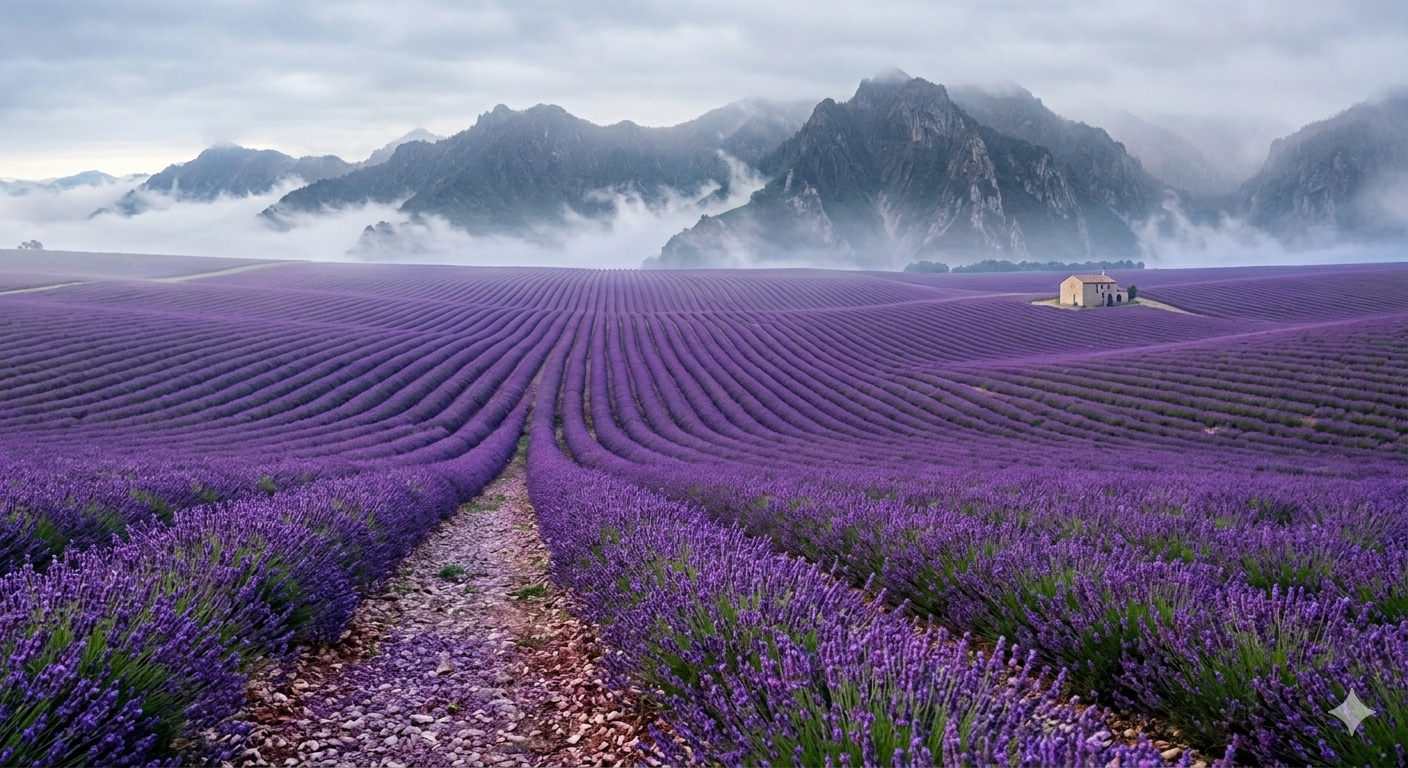
Furano transforms into one of Japan's most visually stunning regions during summer.
The area is famous for:
- Endless lavender fields (peak bloom: July)
- Multi-colored flower farms
- Rolling countryside landscapes
- Calm, rural atmosphere
The most iconic viewing spot is:
- Farm Tomita
Furano provides a completely different contrast to Japan's cities, this is slow travel, scenic immersion, and color-driven tourism.

Daisetsuzan National Park: Japan's Largest Wilderness
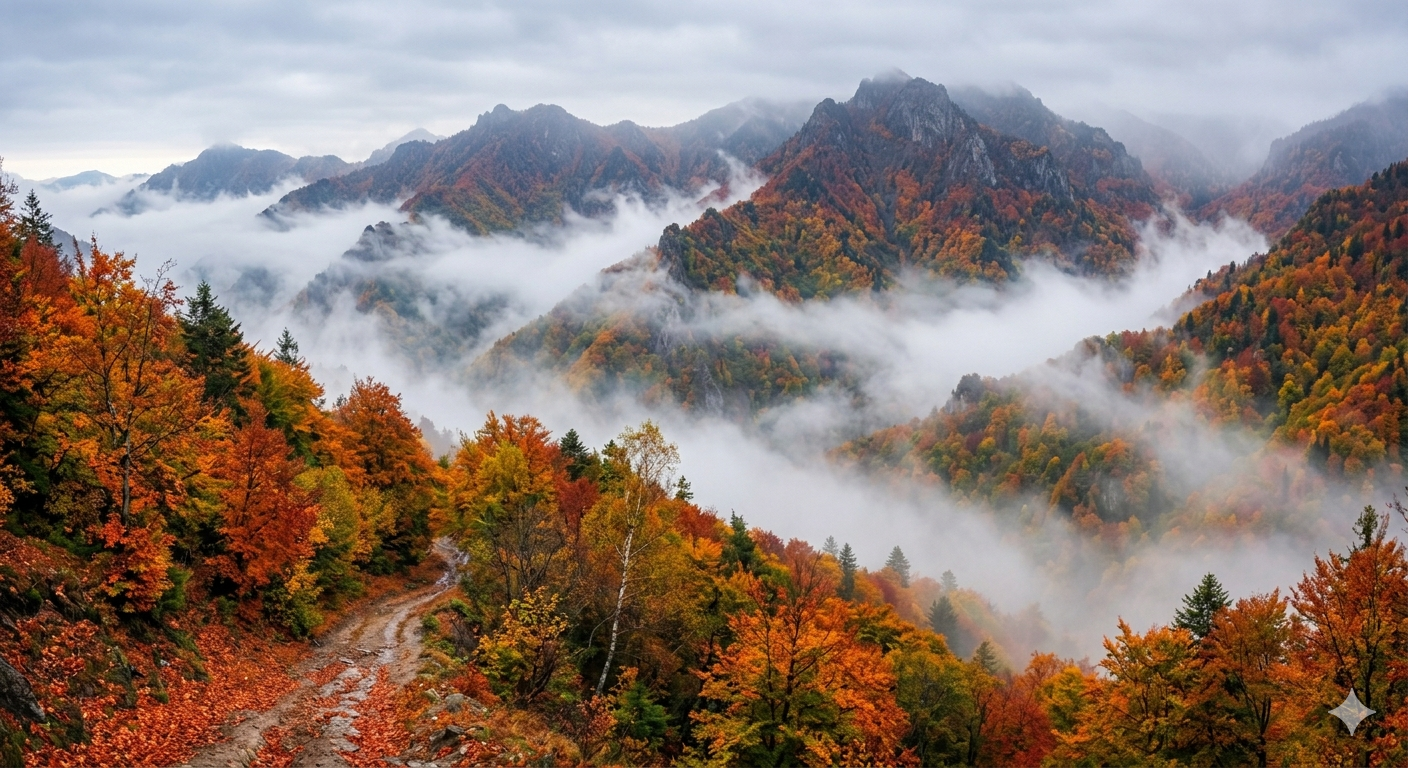
Daisetsuzan National Park is Japan's largest national park and the core of Hokkaido's wild identity.
Key highlights:
- Volcanic mountain ranges
- Hiking and trekking routes
- Early autumn foliage (earliest in Japan)
- Remote, untouched landscapes
Mount Asahidake, the highest peak in Hokkaido, is a major access point with ropeway access and hiking trails.
This destination is ideal for travelers seeking:
- Nature over cities
- Quiet over crowds
- Adventure over sightseeing
Seasonal Experiences in Hokkaido
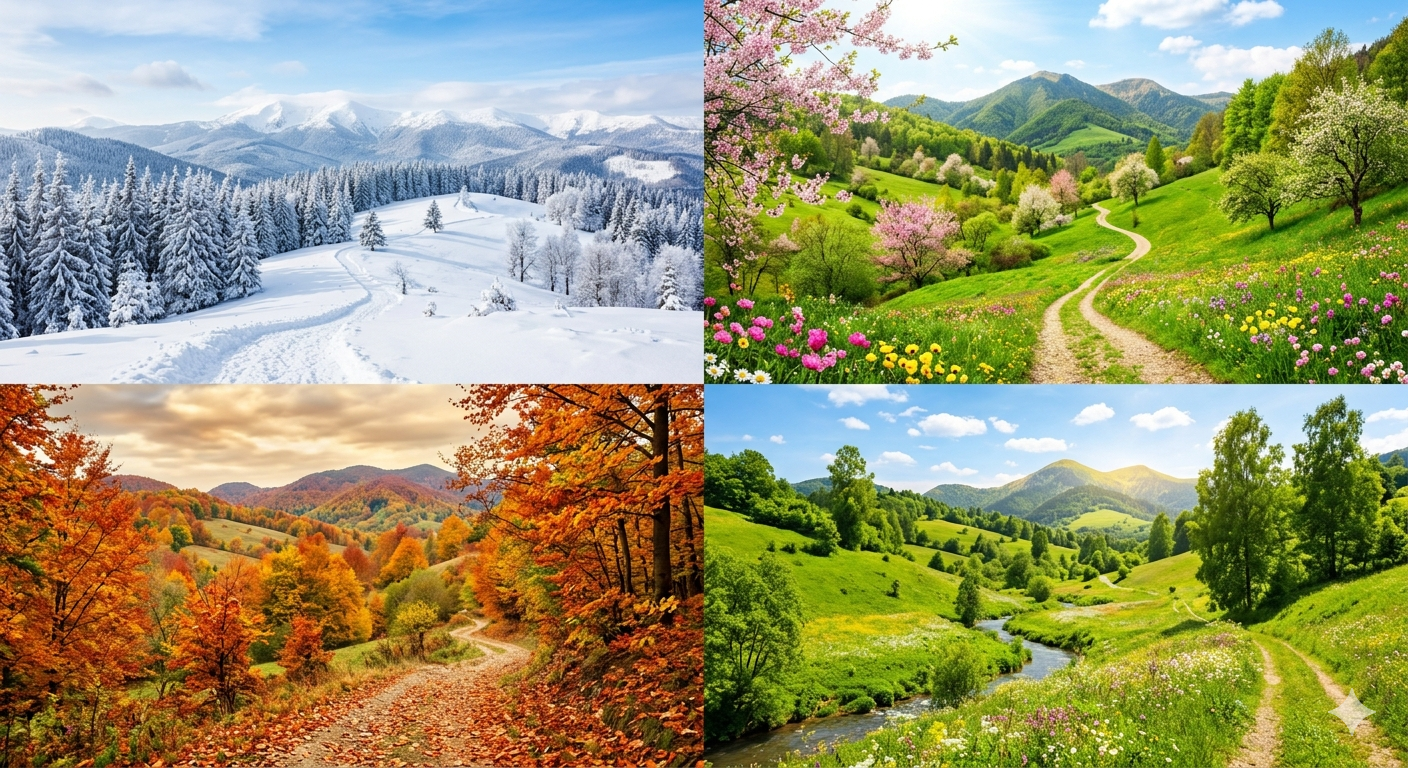
Hokkaido is highly seasonal, your entire experience depends on timing:
-
Winter (December – February)
- Niseko skiing & snowboarding
- Sapporo Snow Festival
- Frozen landscapes & onsen
-
Spring (March – May)
- Late cherry blossoms (later than Tokyo/Kyoto)
- Melting snow + emerging greenery
-
Summer (June – August)
- Furano lavender fields
- Mild weather (cooler than rest of Japan)
- Ideal for outdoor exploration
-
Autumn (September – October)
- Daisetsuzan autumn foliage (earliest in Japan)
- Crisp weather + fewer crowds

How to Reach & Travel Around Hokkaido
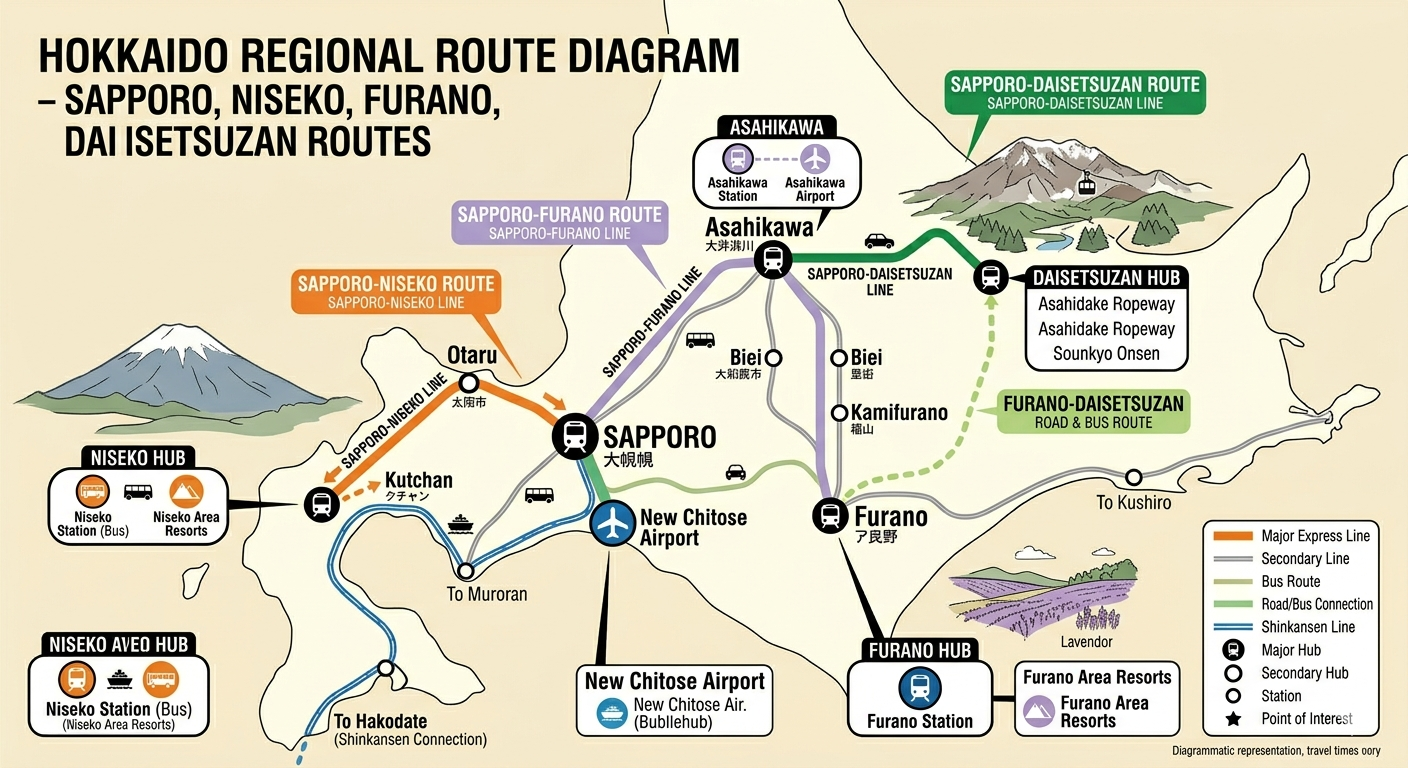
- Fly from Tokyo → Sapporo (New Chitose Airport) (~1.5 hours)
-
Train connections from Sapporo to:
- Niseko (~2–3 hours)
- Furano (~2 hours)
Car rental is highly recommended for:
- Furano countryside
- National park access
- Flexible travel between remote locations
Hokkaido is less dense than mainland Japan, so transport planning is important.
Emotional Travel Narrative (The Northern Escape)
Hokkaido feels like stepping into a different version of Japan.
While cities like Tokyo and Kyoto are built around culture, history, and precision, Hokkaido is about:
- Space
- Silence
- Nature
- Seasonal transformation
The experience here is less structured and more sensory:
- The stillness of snowfall in Niseko
- The scent of lavender fields in Furano
- The vast, untouched terrain of Daisetsuzan
It offers travelers a chance to slow down and experience Japan beyond its urban identity.