


Japan in January
A Bright, Colorful, and Chilly Start to the Year
January marks the beginning of the year with cold temperatures and a festive atmosphere across Japan. As one of the coldest months, it coincides with the New Year holidays, bringing a surge in travel that can make booking tickets and accommodations more challenging early in the month. Despite this, it is an excellent time to experience traditional Japanese culture, from shrine visits to seasonal festivals. Winter sports are also at their peak, and relaxing in hot springs becomes especially appealing.

Know Before You Go
- Travel demand is high around New Year, so expect higher prices and limited availability for hotels and transportation.
- Many department stores and shops hold major sales starting from the first working days of the year.
- January offers ideal skiing conditions, with reliable snowfall at top resorts.
- Illumination events and light displays, running from November through January, add to the seasonal charm.
- Famous hot spring destinations like Ginzan Onsen attract many visitors during this time.

Experiencing Oshogatsu (Japanese New Year)
The Japanese New Year is traditionally a family-focused holiday, but visitors can still enjoy its unique customs. One of the most popular traditions is hatsumode, the first shrine or temple visit of the year. Even for non-religious visitors, the lively atmosphere, food stalls, and cultural energy make it worthwhile.
A standout celebration takes place at Itsukushima Shrine, where traditional music and dance are performed from January 1 to 3 and again on January 5. For a deeper experience, visitors can arrive on December 31 to witness the Chinka-sai Fire Festival, then welcome the first sunrise of the year from the summit of Mount Misen.


Shop Till You Drop
New Year shopping in Japan is an event in itself. The "first sale" of the year draws crowds eager to grab major discounts. A unique highlight is the fukubukuro (lucky bag), which contains mystery items often worth far more than the purchase price.
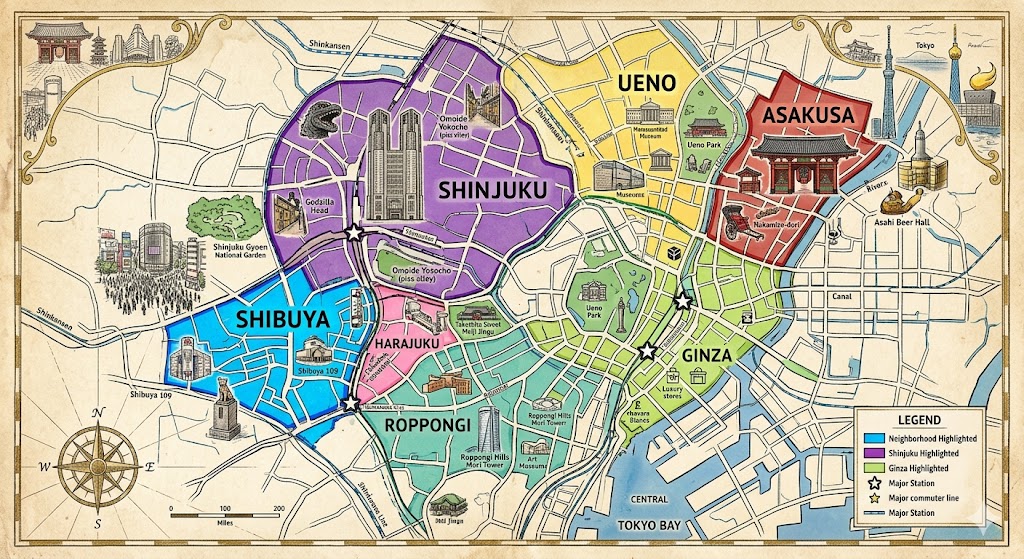
Major shopping districts in Tokyo, such as Ginza, Shibuya, Harajuku, and Aoyama open their doors from January 1 or 2. Ginza is known for luxury shopping, while Shibuya caters to a younger, trend-focused crowd.
Coming of Age Celebrations
Shortly after New Year, Japan observes Coming of Age Day on the second Monday of January. While it is mainly a family and community event, visitors may see young adults, especially women, dressed in elegant kimonos with elaborate hairstyles as they attend ceremonies at local halls and public venues.
The Peak Ski Season
January is considered the best time for skiing in Japan. Snowfall is typically consistent, creating excellent conditions across the country.
Top destinations include Hokkaido, Nagano, and Niigata. Hokkaido is especially famous for its long season and high-quality powder snow, ideal for both beginners and advanced skiers.
For travelers based in Tokyo, convenient options can be found in the Northern Japan Alps and the Myoko Mountain Range, offering easy access to excellent ski resorts.
Popular Winter Events in Japan
- Hida Takayama Sake Breweries Tour
Explore traditional breweries, taste local sake, and enjoy the historic atmosphere of Takayama. - Miyoshi Bondensai Festival
A lively local festival featuring colorful decorations and traditional rituals for good fortune. - Tokyo Grand Sumo Tournament
One of Japan's biggest sumo tournaments, held in Tokyo every January. - Zao Snow Monsters Festival
Famous for "snow monsters" (frozen trees), illuminated at night for a magical winter view. - Hatsuichi Matsuri
Traditional New Year markets selling local goods, food, and crafts. - Daruma Festival
A cultural event where people buy Daruma dolls for luck and goal-setting. - Wakakusa Yamayaki
A dramatic festival where Mount Wakakusa is set ablaze in a controlled burn. - Atami Fireworks Festival
Spectacular fireworks displays over the sea, even during winter. - Yunishigawa Kamakura Festival
Known for its beautiful snow huts (kamakura) lit up at night along the river.